



Introduction:-
Malaria is a life-threatening, febrile illness caused by protozoan parasites belonging to the genus Plasmodium. Infected female Anopheles mosquitoe transmit these parasites to humans through the bites .
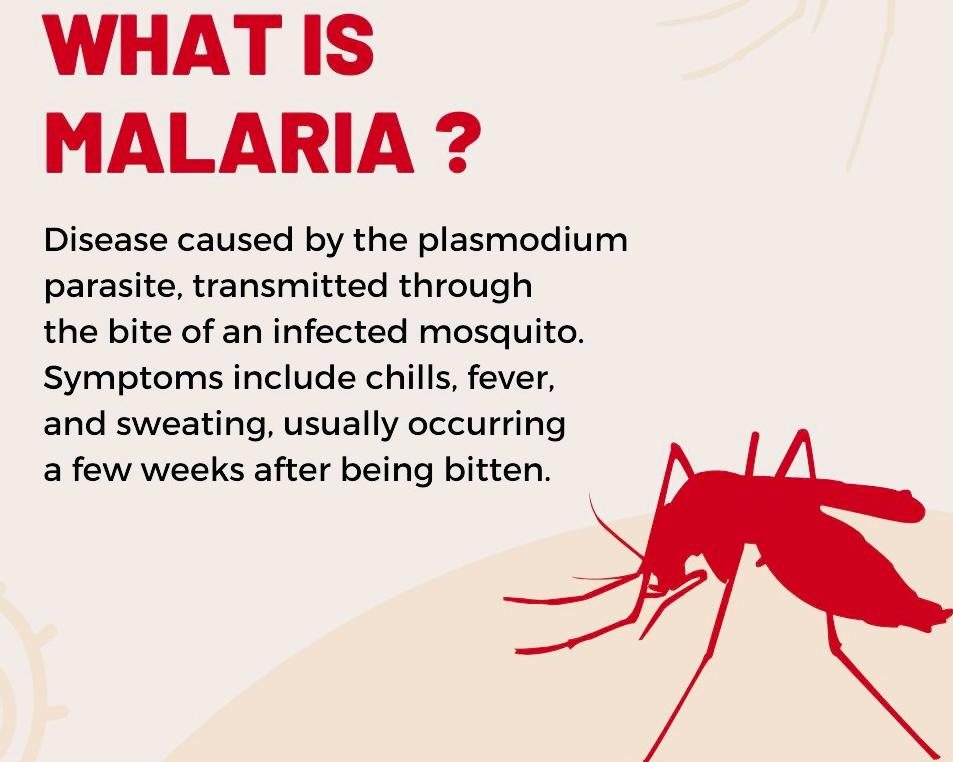
What is malaria ?
Plasmodium parasite cause malaria fever , Female Anopheles mosquitoes transmit malaria . Symptoms include chills, fever, and sweating, usually occurring a few weeks after mosquitoe bittes.Specifically,the disease is most prevalent in tropical and subtropical regions, particularly in parts of Africa, Asia, and South America. The five main species that infect humans are Plasmodium falciparum, P. vivax, P. malariae, P. ovale, and P. knowlesi. Among these, P. falciparum is the most dangerous.
Causes of malaria:
Plasmodium parasites cause malaria Fever .It is transmitted to humans through the bite of an infected female Anopheles mosquito.
Types of malaria:
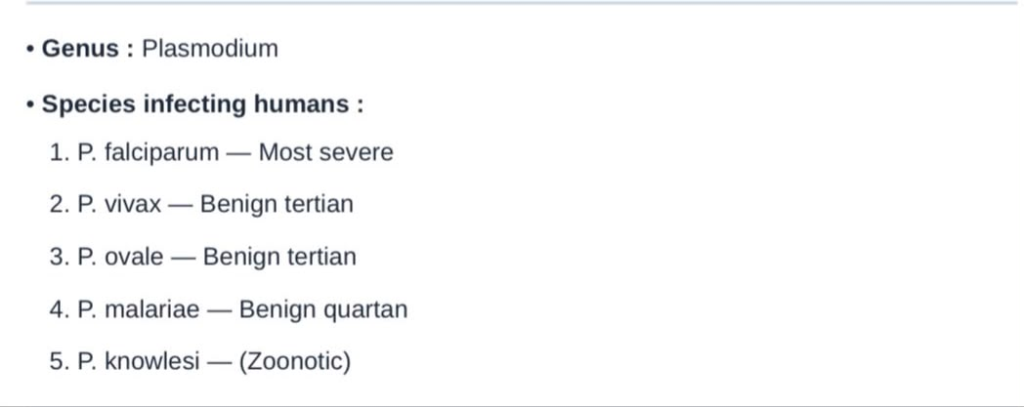
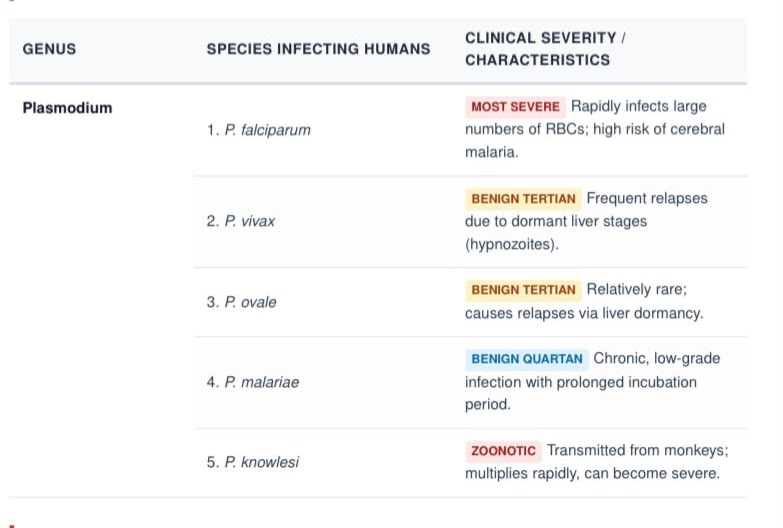
The disease is primarily divide into five species of the Plasmodium parasite that infect humans.
Plasmodium knowlesi:
Plasmodium knowlesi an emerging cause particularly in Southeast Asia. Historically, it was known to infect monkeys, but research has confirmed its ability to infect humans through mosquito transmission. This species can multiply rapidly in red blood cells . As a result, some patients may develop severe malaria if diagnosis and treatment are delayed. Therefore, due to its growing public health importance, Plasmodium knowlesi is now recognized as the fifth major malaria parasite affecting humans.
Plasmodium falciparum:
Plasmodium falciparum most dangerous and potentially life-threatening species. It can rapidly infect a large number of red blood cells, leading to severe complications such as cerebral malaria, kidney injury, respiratory distress, and severe anemia. Consequently, early diagnosis and prompt treatment are essential because untreated P. falciparum infection can progress quickly and become fatal. It is most commonly found in sub-Saharan Africa.
Plasmodium vivax:
Plasmodium vivax is the most frequently reported in many parts of Asia and other tropical regions. It usually causes recurring episodes of fever, chills, and sweating. Although it is generally less severe than Plasmodium falciparum, it can still cause significant illness if left untreated.
Plasmodium ovale:
Plasmodium ovale a relatively rare cause of malaria and is found mainly in certain tropical and subtropical regions. Similar to Plasmodium vivax, it can form dormant stages in the liver, leading to relapses months after the initial infection. Symptoms usually include fever, fatigue, headache, and body aches. Most cases are mild to moderate, and patients generally recover well with appropriate treatment.
Plasmodium malariae:
This species causes a more chronic, low-grade infection with a characteristically prolonged incubation period. It’s a less common species.
Life Cycle:
In Mosquito
- Mosquito bite injects sporozoites
- Female mosquito ingests gametocytes during blood mean
- In Human
- Liver stage (Exo-erythrocytic schizogony) \rightarrow Merozoites
- RBC stage (Erythrocytic schizogony) \rightarrow Gametocytes
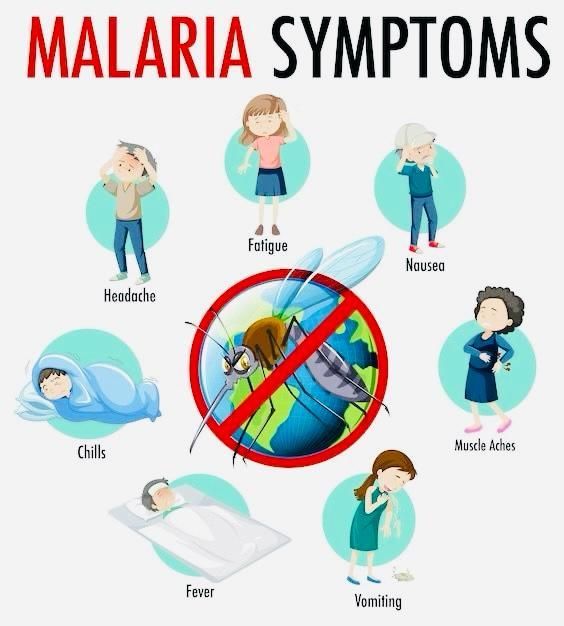
Symptoms of Malaria:
- High fever associated with severe chills and rigor
- Throbbing headache and generalized body aches
- Profuse sweating as the fever breaks
- Profound fatigue and malaise
- Nausea, vomiting, and loss of appetite
- Dry cough and myalgia (muscle pain, particularly back pain)
Severe Malaria Symptoms:
- If left untreated or if infected with P. falciparum, the disease can rapidly progress to severe malaria, characterized by multi-organ dysfunction:
- Metabolic: Jaundice (yellowing of skin/eyes due to liver involvement and hemolysis) and severe hypoglycemia.
- Neurological: Confusion, generalized seizures, altered mental status, or coma.
- Respiratory: Difficulty breathing, tachypnea, or Acute Respiratory Distress Syndrome (ARDS).
- Hematological: Severe anemia (due to hemolysis) and spontaneous bleeding.
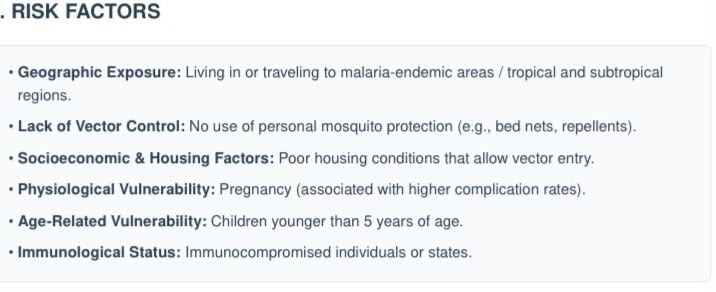
Risk Factors:
- No use of mosquito protection
- Poor housing conditions
- Pregnancy
- Children <5 years
- Immunocompromised state
Diagnosis of Malaria
- Urinalysis (Urine D/R): Performed to rule out co-infections such as Urinary Tract Infections (UTIs) and to check for hemoglobinuria (dark urine).
- MP test Smear (Gold Standard): Microscopic examination of thick and thin peripheral blood films. The thick smear is highly sensitive for detecting the presence of the parasite.
- Rapid Diagnostic Tests (RDTs): Antigen-based stick tests that provide quick results, especially useful in emergency settings where expert microscopy is unavailable.
- Complete Blood Count (CBC) test: To evaluate Hemoglobin (Hb) levels for anemia and to check for thrombocytopenia (low platelet count), which is a common hematological finding in malaria.
- Liver Function Tests (LFTs): To monitor bilirubin levels and evaluate liver involvement or secondary jaundice.
Treatment of Malaria :
Malaria Fever is fully curable ,Eaxact treatment depend heavily on the infecting plasmdium species & severity of symptoms
Supportive Care:
Antipyretics such as Paracetamol are used to manage high fevers, alongside oral rehydration and multivitamins to aid recovery. Patients should always undergo proper clinical evaluation by a registered healthcare professional.
Uncomplicated Falciparum : The first-line therapy is Artemisinin-based Combination Therapy (ACT), typically administered as a strict 3-day oral course.
Chloroquine-Sensitive: For non-falciparum species or sensitive strains, Chloroquine remains a standard treatment option.
Malaria Prevention:
Wearing long-sleeved, full-coverage clothing and applying insect repellents containing DEET.
Regular use of Long-Lasting Insecticidal Nets (LLINs) during sleep.
Application of Indoor Residual Spraying (IRS) in endemic areas.
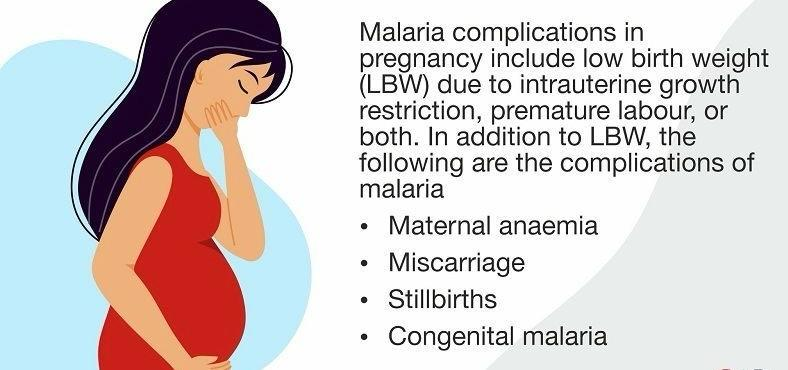
Malaria in pregnancy:
Malaria Fever complications in pregnancy include low birth weight (LBW) due to intrauterine growth restriction, premature labour, or both. In addition to LBW, the following are the complications of malaria:
- Congenital malaria
- Maternal anaemia
- Miscarriage
- Stillbirths
Frequently Asked Questions (FAQs)
What is the difference between malaria chills and a regular fever?
Malaria fever is not continuous like a typical viral fever . severe chills, high fever, and profuse sweating, This severe chills and fever are caused by the parasite destroying red blood cells. The common cold or viral fever usually has symptoms like a runny nose, sneezing, or sore throat, which are completely absent in malaria. This specific and intense cycle of malaria repeats itself regularly every 24, 48, or 72 hours, depending on the type of parasite, which sets it apart from a typical fever.
Can malaria fever cure itself without medicine?
No, malaria fever cannot cure itself it’s extremely dangerous to leave untreated. Although symptoms may temporarily disappear when the parasite changes stages within the body, the infection remains active in the blood or liver. Without appropriate antimalarial drugs, the number of parasites in the blood continues to increase rapidly. In cases of Plasmodium falciparum, this continuous destruction of red blood cells can lead to life-threatening complications such as cerebral malaria or organ failure within 24 hours.
what are the first symptoms of malaria?
The most common symptom of malaria is that :-
- High fever associated with severe chills and rigor
- Throbbing headache and generalized body aches
- Profuse sweating as the fever breaks
- Profound fatigue and malaise
- Nausea, vomiting, and loss of appetite
- Dry cough and myalgia (muscle pain, particularly back pain)
How long does malaria last?
The duration of malaria depends on the type of Plasmodium parasite, the severity of the infection, and how quickly treatment is started. With appropriate treatment, most patients begin to improve within 48–72 hours, while complete recovery usually takes 1–2 weeks.
Is malaria contagious?
No, malaria is not contagious and does not spread from person to person through casual contact, coughing, sneezing, or sharing food. It is mainly transmitted through the bite of an infected female Anopheles mosquito. In rare cases, malaria can spread through blood transfusion, organ transplantation, or from a mother to her baby during pregnancy or childbirth.
Conclusion:
Malaria fever remains one of the world’s most significant infectious diseases, particularly in tropical and subtropical regions. Early recognition of symptoms, prompt diagnosis, and appropriate treatment are essential to prevent serious complications and save lives. Consistent prevention efforts, such as using insecticide-treated nets and eliminating mosquito breeding sites, are key to reducing the global burden of malaria fever.
About the Author:-
Dr. Sufiyan Awan is a dedicated medical professional and healthcare researcher with comprehensive clinical exposure. He has formerly served as a House Officer at Nishtar Hospital, Multan, where he managed diverse clinical cases. Along with his foundational medical expertise, Dr. Sufiyan has completed specialized training with the World Health Organization (WHO), enhancing his insight into global health standards and infectious disease management. He actively writes evidence-based medical articles to bridge the gap between complex clinical science and public health awareness, helping readers access reliable and scientifically accurate medical information.