


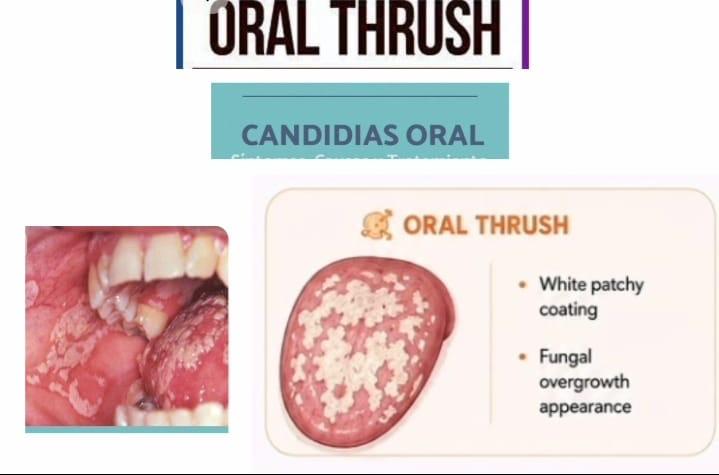
Oral thrush also known as oral candidiasis, is one of the most common fungal infections of the mouth. It develops when a yeast like fungus called Candida albicans. A microorganism that naturally lives in small amounts inside every person’s mouth grows beyond its normal limit. But once the immune system weakens or the environment inside the mouth changes Candida can multiply rapidly and turn into an active infection commonly referred to as oral thrush or a mouth yeast infection. This condition can affect people of any age but it is seen more frequently in infants elderly individuals denture wearers & people with weakened immunity.
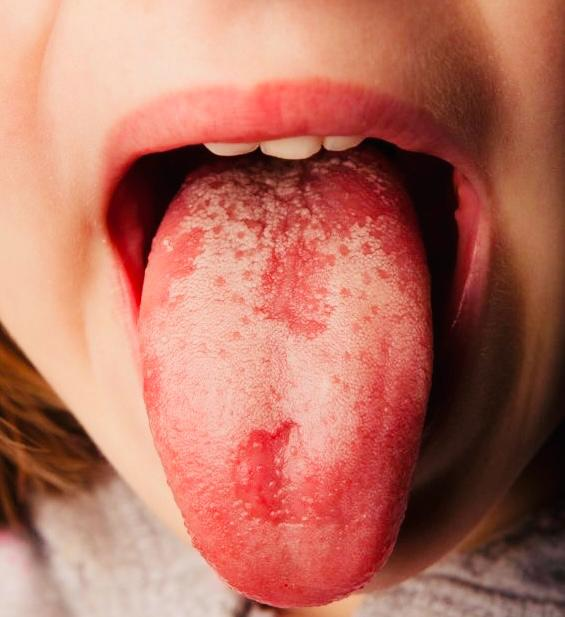
Common Causes and Risk Factors of Oral thrush
It usually results from a combination of factors that disturb the natural microbial balance of the mouth or weaken the body’s defense system. The most recognized risk factors include:
Weakened immune system conditions such as HIV/AIDS, cancer, chemotherapy or long-term illness reduce the body’s ability to control fungal growth.
Uncontrolled diabetes In particular, high blood sugar levels raise glucose concentration in saliva, creating an ideal environment for yeast to thrive.
Prolonged antibiotic use broad-spectrum antibiotics eliminate both harmful and beneficial bacteria, giving Candida a chance to grow unchecked.
Inhaled or oral corticosteroid use commonly seen in asthma patients who don’t rinse their mouth after using an inhaler.
Smoking and tobacco use damages the protective lining of the mouth, making it more vulnerable to infection.
Poor oral hygiene irregular brushing and flossing allow yeast, bacteria and food debris to accumulate.
Symptoms of Oral thrush
The symptoms of oral thrush can vary depending on how advanced the infection is. common symptoms include:
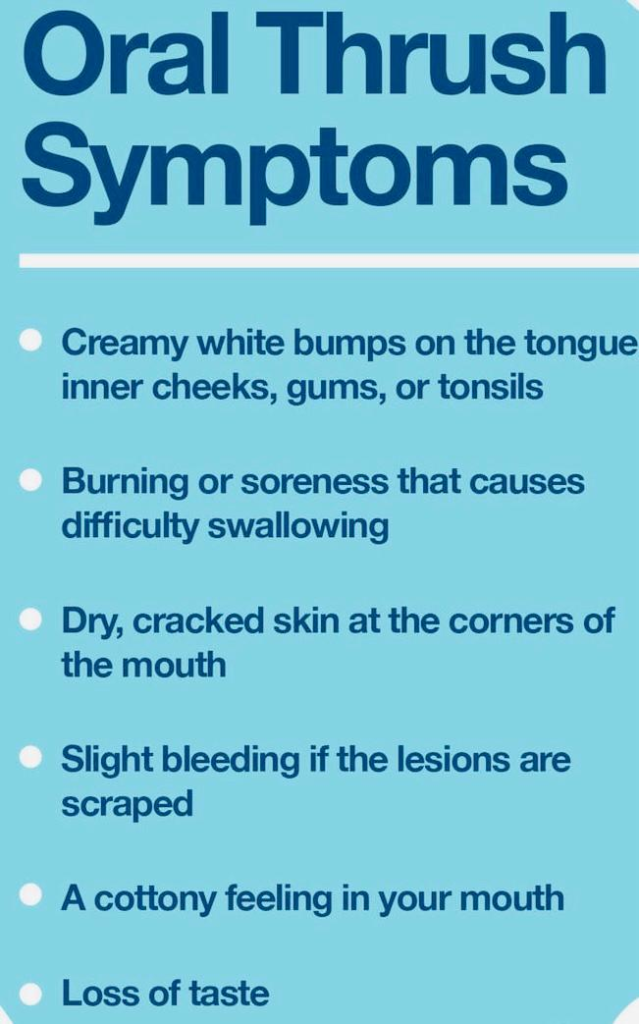
- White or cream colored raised patches on the tongue, inner cheeks, gums, tonsils or roof of the mouth
- A cotton like or dry feeling inside the mouth
- Loss of taste an unpleasant taste sensation
- Redness soreness or a burning sensation especially while eating spicy or acidic food
- Cracking and redness at the corners of the mouth (angular cheilitis)
- Pain difficulty while swallowing in more severe or spreading infections
- Mild bleeding if the white patches are scraped or rubbed
Types of Oral thrush / Candidiasis
Classifies oral candidiasis into a few recognizable forms:
Pseudomembranous candidiasis (classic thrush)
The most frequently seen type presenting as white wipeable plaques on the tongue and cheeks.
Erythematous (atrophic) candidiasis
Appears as red, inflamed patches without visible white coating, often linked to denture use or steroid inhalers.
Hyperplastic candidiasis
Thick white plaques that cannot be scraped off easily; this type requires closer clinical evaluation since it can sometimes resemble other oral lesions.
Angular cheiliti
Cracked red and sore corners of the mouth frequently occurring alongside other forms of oral candidiasis.
Diagnosis of Oral thrush
In most cases a dentist or physician can diagnose oral thrush simply through a visual examination of the mouth and a review of the patient’s medical history.
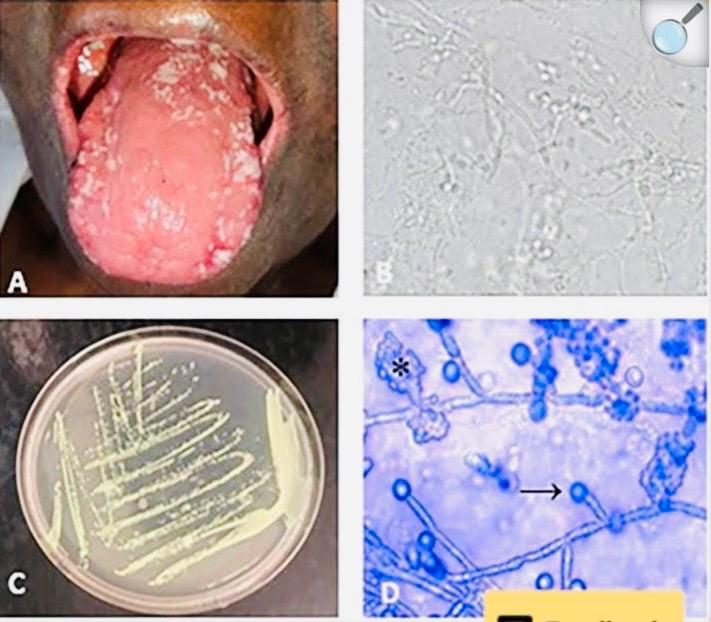
- A gentle scraping of the affected area for microscopic examination
- A laboratory culture test to identify the specific Candida species
- Blood sugar testing especially if diabetes is suspected as an underlying cause
- Additional immune function tests in cases of frequent or persistent infection
- Recurrent oral thrush without an obvious cause should always be investigated further as it may indicate an undiagnosed systemic condition.
Treatment of Oral thrush
The good news is that oral thrush usually responds well to timely treatment.
Topical antifungal medications
Such as antifungal mouth gels lozenges or oral suspensions applied directly to the affected areas for one to two weeks. Prescribed for more severe widespread or recurrent infections particularly in people with weakened immunity.
Treating the underlying cause
Controlling blood sugar levels in diabetic patients adjusting antibiotic or steroid use or improving denture hygiene.
Supportive oral care
Maintaining good hygiene, rinsing the mouth after meals, and avoiding excess sugar, which can fuel yeast growth.
Preventing oral thrush
largely comes down to maintaining a healthy mouth environment and managing risk factors, helpful preventive habits include:
- Brushing teeth at least twice daily and cleaning the tongue regularly
- Cleaning and removing dentures overnight and disinfecting them regularly
- Avoiding smoking and excessive alcohol use
- Keeping diabetes and other chronic conditions well controlled
- Staying hydrated to prevent dry mouth
- Scheduling regular dental check-ups for early detection.
FAQ
Is oral thrush contagious?
Oral thrush is generally not considered easily contagious between healthy adults through casual contact. However, it can sometimes pass from a mother to a breastfeeding infant between partners through deep kissing if one person has an active untreated infection.
Does oral thrush mean I have a serious underlying disease?
No, a single mild episode can happen due to temporary factors like antibiotic use. However, frequent or recurrent oral thrush in adults can be a sign of an underlying condition such as diabetes or a weakened immune system .
Can oral thrush go away on its own without treatment?
In rare very mild cases in otherwise healthy individuals minor symptoms may improve on their own. However, most cases need antifungal treatment to fully clear and leaving it untreated can allow the infection to spread or return.
How long does it take for oral thrush to heal with treatment?
With proper antifungal medication most cases of oral thrush improve within one to two weeks. Recurrent or severe infections especially in people with weakened immunity may take longer and require follow-up care.
Can children and babies get oral thrush?
Yes, oral thrush is fairly common in infants particularly in the first few months of life since their immune systems are still developing. It often appears as white patches on the tongue and inner cheeks and usually responds well to a pediatrician prescribed antifungal treatment.
Can stress cause oral thrush?
Stress itself does not directly cause thrush, but chronic stress can weaken the immune system over time which may make the body more vulnerable to fungal overgrowth indirectly increasing the risk.
Is oral thrush the same as a normal mouth ulcer?
No, mouth ulcers are usually small, painful, well-defined sores with a red border, while oral thrush appears as wipeable, creamy white patches that can spread across a wider area of the mouth.
Medical Disclaimer
The information provided in this article is for general educational and informational purposes only and is not intended as and should not be substituted for professional medical advice, diagnosis or treatment. Every individual’s health condition is different and only a qualified dentist, physician, or healthcare provider can properly evaluate your specific symptoms and medical history.
About the Author
Dr. Sufiyan Awan is a medical doctor with a strong interest in evidence-based medicine patient education and medical content writing. He is committed to providing accurate easy to understand and up to date health information for patients caregivers and the general public. Dr. Sufiyan has completed multiple professional courses from the World Health Organization (WHO) and regularly updates his medical knowledge .