


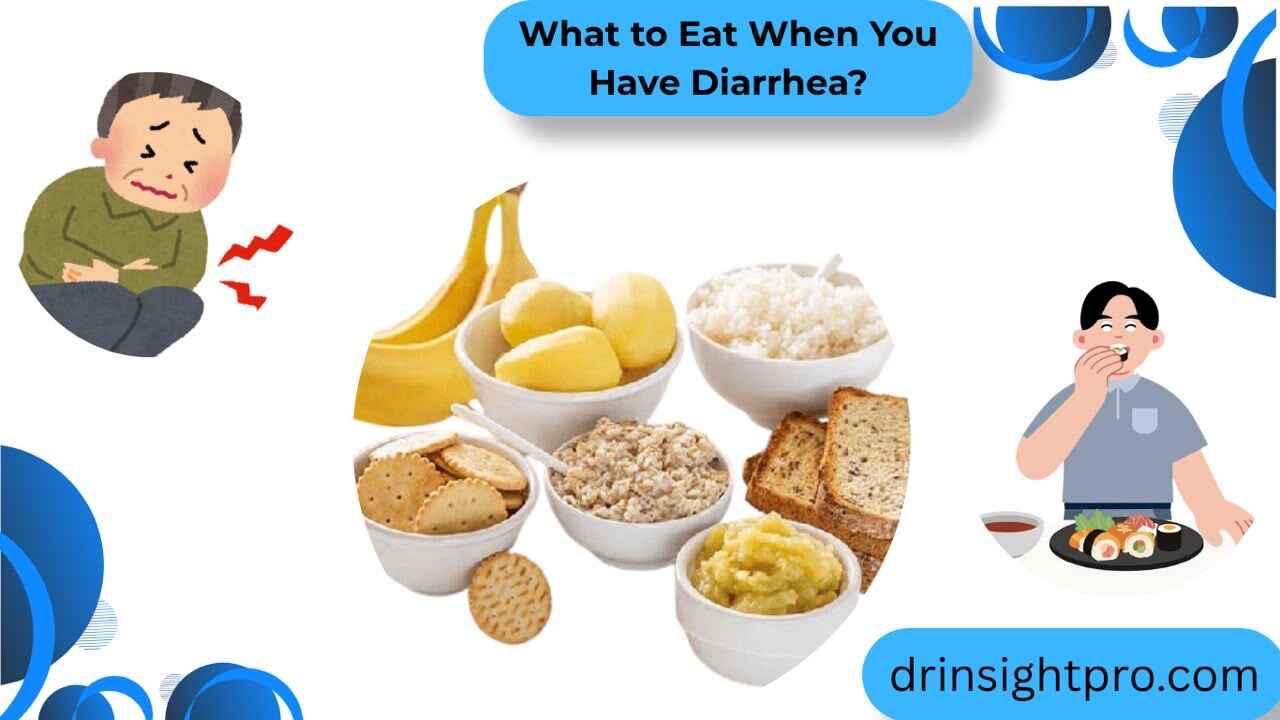
- Knowing what to eat when you have diarrhea is essential for recovery. Diarrhea is uncomfortable, but for most people it passes within a few days.. What you eat and drink during that time can genuinely support recovery or, in some cases, make symptoms worse. This isn’t about following a rigid list of rules. It’s about giving your digestive system food it can handle while it settles back down.
- During diarrhea, food and fluids move through the digestive tract faster than usual and the intestines may absorb less water. Heavy or greasy foods ask more of a digestive system that is already struggling.Understanding what to eat when you have diarrhea ensures simple, easily digestible foods place less demand on the gut while it recovers.
- Fluid loss matters just as much as food choice. Diarrhea removes water and important electrolytes like sodium and potassium. Replacing lost fluids is just as crucial as knowing what to eat when you have diarrhea. This guide focuses specifically on what to eat and drink during diarrhea, which foods tend to be easier to tolerate, which ones may worsen symptoms and when the situation calls for medical attention rather than home management.
What to eat when you have diarrhea to recover?
You can usually eat when you feel able to. During an episode of acute diarrhea, smaller meals may feel easier than large meals. Diet mainly supports hydration, energy and recovery while the underlying cause is resolving or being treated.
- Bananas
- Rice
- Potatoes without heavy sauces or large amounts of fat
- Toast or plain bread
- Oatmeal
- Plain crackers
- Plain pasta
- Cooked vegetables that you tolerate well
- Applesauce
- Eggs prepared with little added fat
- Lean chicken or fish prepared simply
Bananasto Eat When You Have Diarrhea
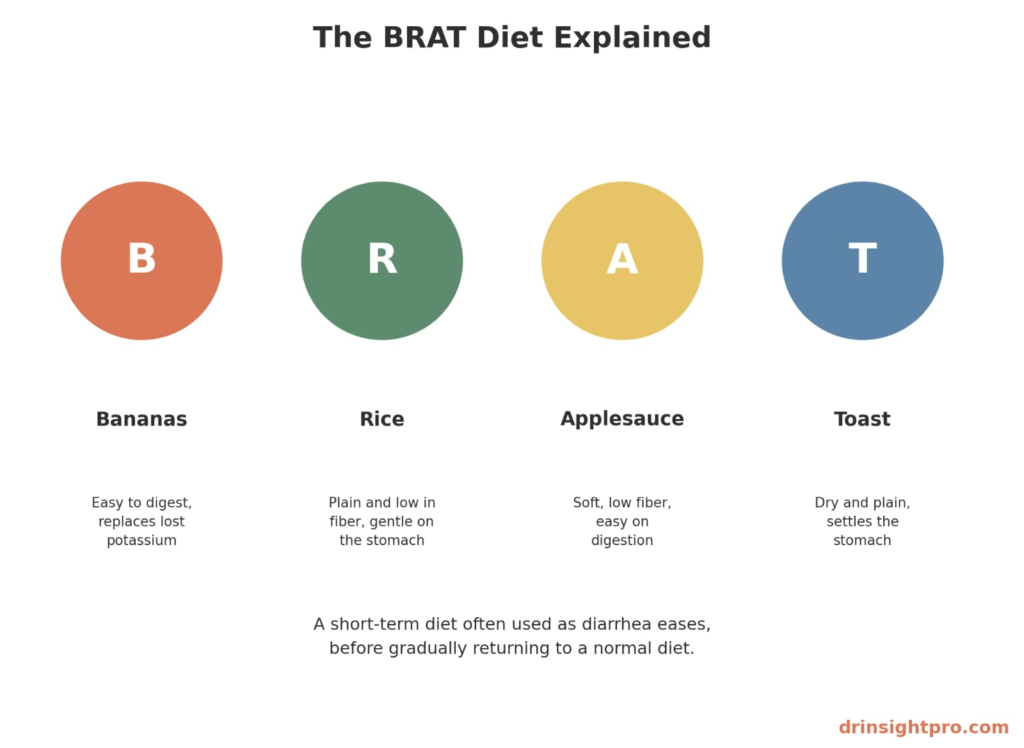
Bananas are often a convenient choice because they are soft and easy to eat. They also provide carbohydrates and potassium. However, bananas are not a cure for diarrhea.
Riceto Eat When You Have Diarrhea
Plain white rice is usually mild and low in fat. It can be a practical option when your stomach feels unsettled.You can combine it with a small amount of lean protein once you feel ready for a more complete meal.
Oatmeal to Eat When You Have Diarrhea
Plain oatmeal can provide energy and soluble fiber. Some people find it easier to tolerate than heavier meals.
Keep the preparation simple. Large amounts of cream, butter, sweeteners or artificial sweeteners may make diarrhea worse in some people.
Potatoesto Eat When You Have Diarrhea
Plain boiled or baked potatoes provide carbohydrates without much fat. The problem is often what gets added to them. Large amounts of butter, cream, cheese or rich sauces struggle to tolerate.
Toast and crackers to Eat When You Have Diarrhea
Plain toast, bread and crackers may help when you have little appetite. Choose simple versions rather than heavily seasoned, fried or high-fat products.
Eggs and lean protein to Eat When You Have Diarrhea
You do not need to avoid protein during diarrhea. Eggs, chicken and fish can help maintain nutritional intake when prepared simply.
Oral rehydration solution
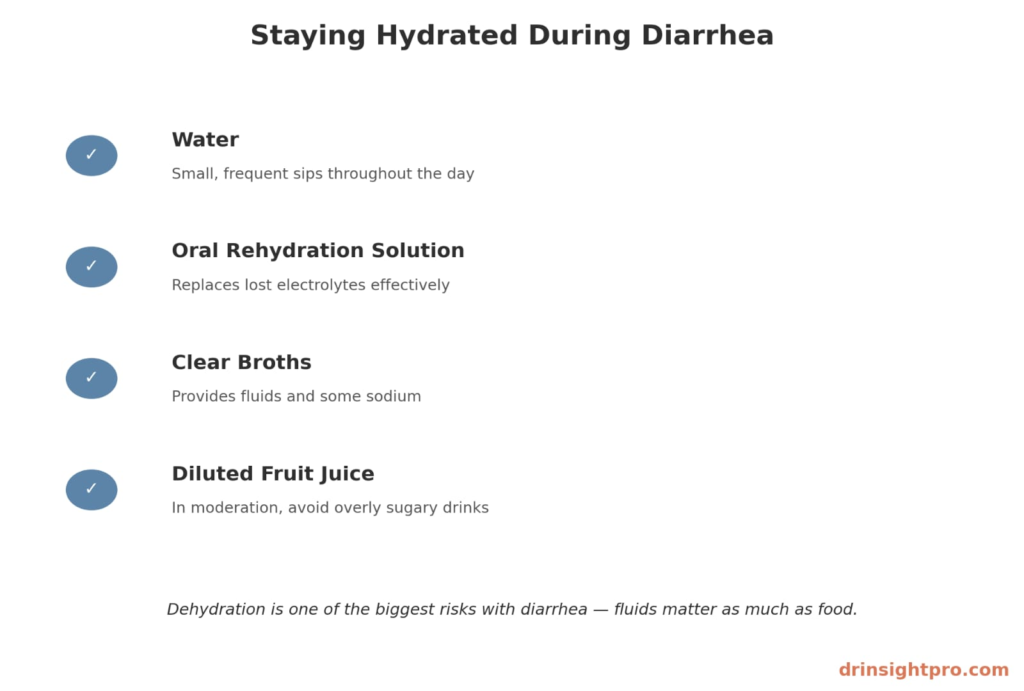
An oral rehydration solution, commonly called ORS, is particularly useful when diarrhea is causing significant fluid loss or dehydration. ORS contains water, glucose and electrolytes in proportions designed to improve absorption in the intestine. It is an established treatment for dehydration caused by diarrhea.
Is Yogurt Good when you have diarrhea?
Dairy deserves its own explanation because the picture is more nuanced than a simple yes or no.
Diarrhea can temporarily reduce the gut’s ability to break down lactose, the sugar found in milk and dairy products. This means even people who normally tolerate dairy well may find it harder to digest during a bout of diarrhea, which can worsen bloating, gas or loose stools.
Foods to Avoid when you have Diarrhea
Just as some foods are easier to tolerate, others tend to worsen symptoms or slow recovery.
- Fried and fatty foods are harder to digest and can speed up intestinal movement even further. Spicy foods can irritate an already sensitive digestive tract. High fiber foods, particularly raw vegetables, beans and whole grains, add bulk that can worsen loose stools even though fiber is normally beneficial for digestion.
- Caffeine and alcohol both have a mild stimulant effect on the gut, which is not helpful when the intestines are already overactive.
- Carbonated beverages are also worth limiting temporarily. The gas they introduce can add to bloating and discomfort on top of existing symptoms.
What Helps Diarrhea in Children
Diarrhea in children deserves particular attention because dehydration develops more quickly in smaller bodies.
- Infants who are breastfed or formula fed should generally continue feeding as normal. Breast milk and formula provide important fluids and nutrition during illness. For children already eating solid foods, small portions of bananas, rice, plain crackers and boiled potatoes tend to work well.
- Oral rehydration solutions formulated specifically for children are often recommend over sports drinks, which can be too high in sugar and not well balanced for a child’s needs. A pediatrician can offer guidance tailored to a child’s age, weight and specific symptoms, particularly if diarrhea continues for more than a day or two.
When should you seek medical care?
Seek medical care if diarrhea comes with signs of dehydration such as dizziness, dry mouth or reduced urination. Blood or mucus in the stool is also a warning sign that needs evaluation. A fever above 102°F (39°C) or severe abdominal pain requires immediate attention. Diarrhea lasting more than two days in adults or 24 hours in young children needs medical attention. Frequent vomiting that prevents keeping fluids down is another red flag.

Treatment mainly focuses on preventing dehydration and replacing lost fluids and electrolytes. Oral rehydration solution (ORS) is commonly used for this purpose. Continue breastfeeding and normal foods as tolerated. Avoid drinks that are very high in sugar. Severe dehydration requires urgent medical treatment and may need intravenous fluids.
Medical treatment when you have diarrhea
WHO Diarrhea Treatment Plans: A, B and C

FAQS
Can I drink coffee when I have diarrhea?
It is better to limit coffee during acute diarrhea because caffeine may stimulate bowel activity and can make loose stools or abdominal discomfort worse in some people. If you normally drink coffee every day, temporarily switching to a non-caffeinated drink may be easier on your digestive system.
Should I drink milk when I have diarrhea?
Some people temporarily have difficulty digesting lactose after acute diarrhea. Milk may therefore increase bloating or loose stools in some individuals. However, dairy does not need to be automatically eliminated from everyone’s diet.
Should I avoid all fruit during diarrhea or just certain kinds?
Not all fruit needs to be avoided. Low fiber options like bananas and peeled ripe fruit tend to be better tolerated than high fiber or very acidic fruit.
Is it safe to take anti-diarrheal medication without seeing a doctor first?
Over the counter anti-diarrheal medication is not appropriate for every situation. If fever or blood in the stool is present, slowing down the gut can sometimes do more harm than good, so checking with a pharmacist or doctor first is a reasonable precaution.
Can stress cause diarrhea on its own, separate from food?
Yes, The gut and nervous system are closely connected and stress can trigger diarrhea in some people even without any dietary trigger or infection involved.
Medical Disclaimer
This article is intended for educational and informational purposes only. It is not a substitute for professional medical advice, diagnosis or treatment. If you have severe or persistent diarrhea, signs of dehydration, blood in the stool, severe abdominal pain or other concerning symptoms, consult a qualified healthcare professional promptly.
About the Author
Dr. Sufiyan Awan, MBBS is a medical doctor and health content writer who creates clear and evidence-based medical information for patients and general readers. He has also completed a World Health Organization (WHO) course and focuses on presenting medical topics in simple, accurate and reader-friendly language.