


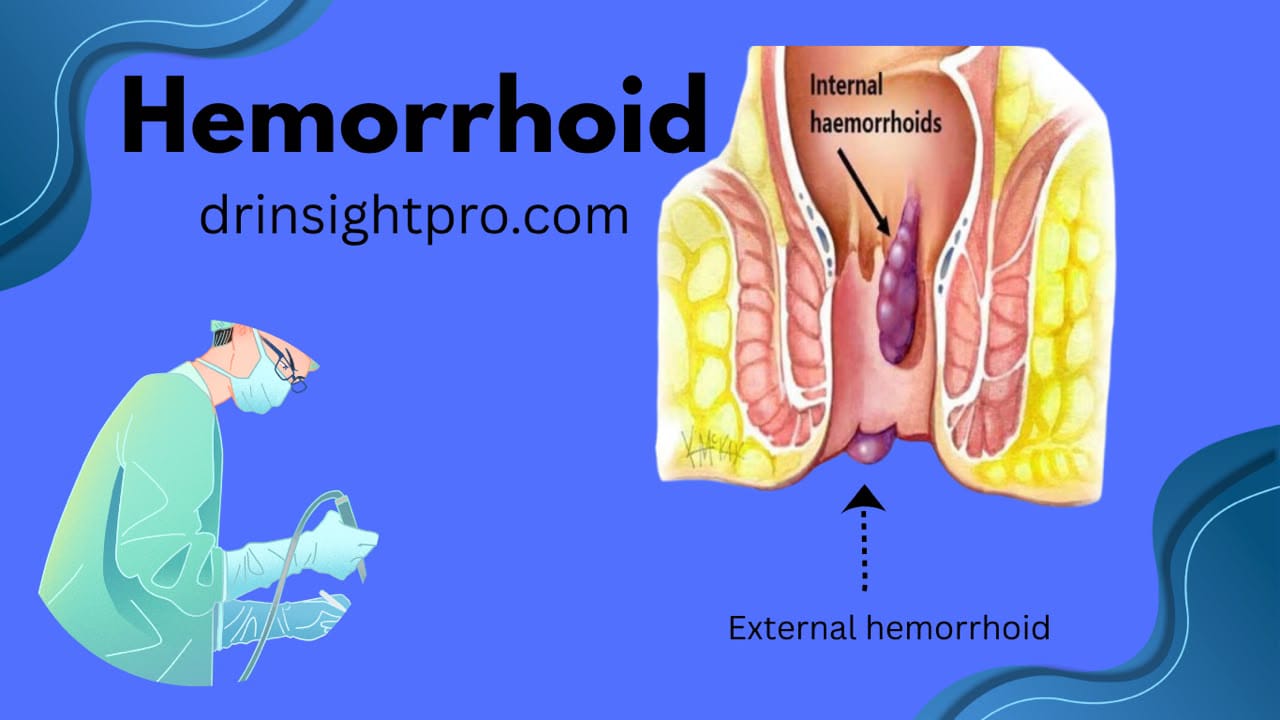
Hemorrhoids are one of the most common conditions affecting the anal and rectal area. These are also known as piles. These are one of the most prevalent conditions affecting the anal and rectal area. Despite being very common, hemorrhoids are often left untreated due to embarrassment and stigma. Although hemorrhoids can be uncomfortable unsightly and even painful they are generally easy to treat and prevent.
What are Hemorrhoids?
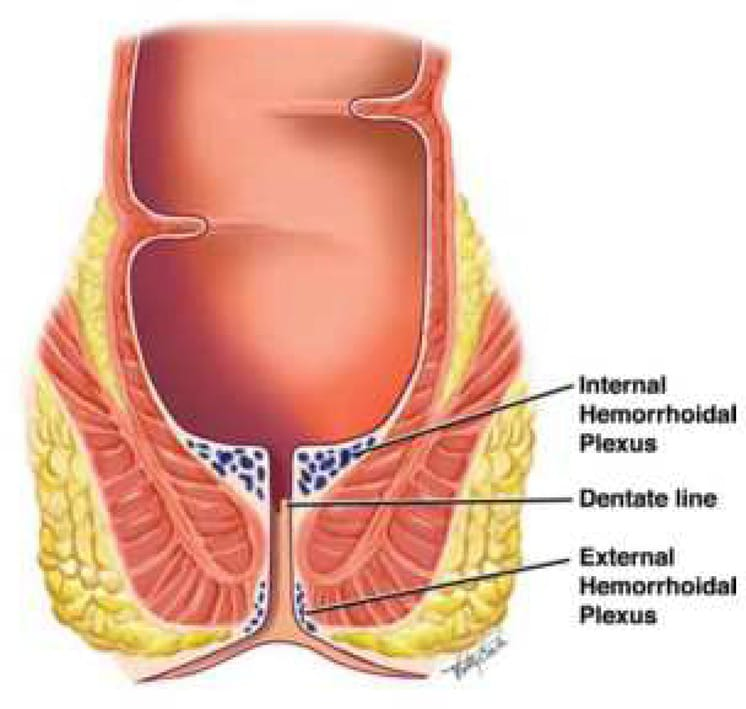
Basically, hemorrhoids are swollen blood vessels around your anus and lower rectum. Many people don’t realize that everyone naturally has these vascular cushions. The problem only starts when they get swollen or irritated usually from too much pressure sitting in that area for too long. They’re normal they help you control bowel movements.
Types of hemorrhoids
There are two main types of hemorrhoids.
Internal hemorrhoids
These sit inside the rectum. Usually painless but they bleed.
External hemorrhoids
These are under the skin around the anus and honestly these are the annoying ones. Itching, burning sometimes real pain especially if a clot forms inside one (a thrombosed hemorrhoid).
What Do Hemorrhoids Look Like?
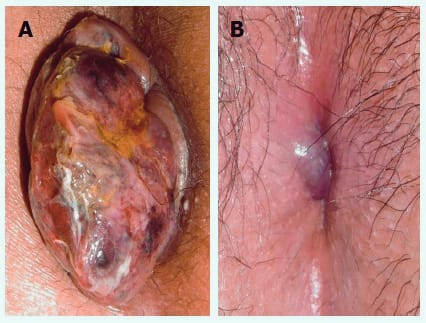
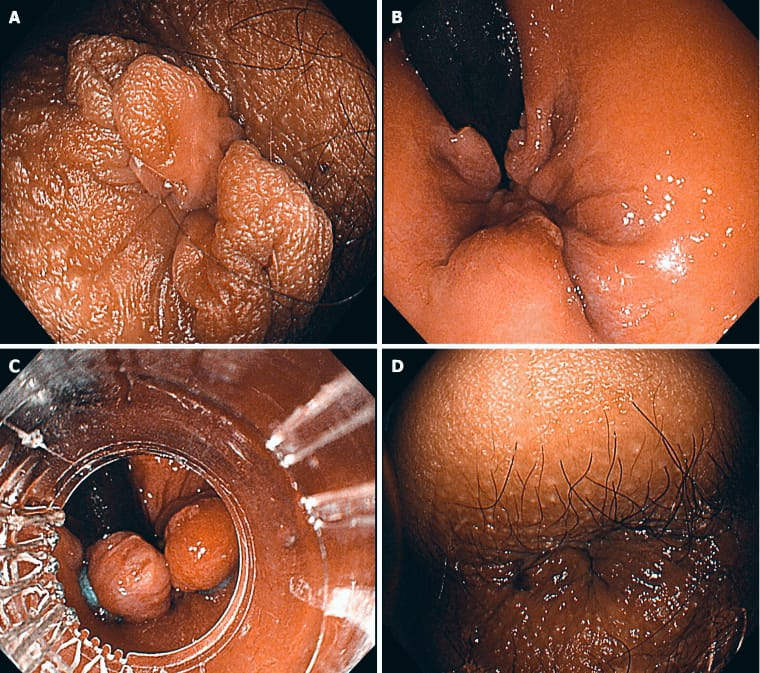
Internal hemorrhoids are not typically visible but they can sometimes stick out of the anal canal and appear as a small pinkish bulge. Internal hemorrhoids usually retract on their own when pushed back in . Bright red blood on the toilet paper or in the toilet bowl is often a sign of an internal hemorrhoid while dark red or black blood can be a sign of internal bleeding elsewhere in the digestive tract and should be brought to a doctor’s attention immediately.
External hemorrhoids often appear as a small bump or bulge near the anus. They can be soft or firm and may be tender to the touch especially if there is a blood clot trapped inside one of the swollen veins. The color of an external hemorrhoid can vary from pink to purple depending on how inflamed the area.
Causes of Hemorrhoids
Too much pressure on the veins down there over time. Common causes
- Straining on the toilet (usually from constipation)
- Sitting too long including on the toilet itself (there’s some genuinely new research on this, keep reading)
- Chronic diarrhea
- Pregnancy extra pelvic pressure does it
- Not enough fiber or water in your diet
- Heavy lifting done regularly
- Being overweight and not moving much
The Research Most Hemorrhoids:
Does scrolling your phone on the toilet actually matter?
Yes, but not for the reason you’d guess. It wasn’t extra straining causing the issue. It was just time. People on their phones were about five times more likely to sit on the toilet for over five minutes and that extra sitting time alone was tied to a 46% higher chance of having hemorrhoids. The toilet seat leaves your pelvic floor with no support so the longer you sit like that the more blood pools down there.
Diagnosis of hemorrhoids
Most hemorrhoids aren’t a big deal but go get checked if;
The bleeding is heavy dark or won’t stop
There’s a hard really painful lump that isn’t improving after a couple days
Nothing’s better after two weeks of home treatment
Your bowel habits change along with the bleeding especially past age 45 just to rule other things out.
Family history of colorectal diseases
Previous episodes of hemorrhoids or anorectal surgery
Physical Examination
The doctor examines the anal area for
- External hemorrhoids
- Swelling skin tags or blood clots (thrombosed hemorrhoids)
- Signs of infection, fissures, fistulas or other anorectal conditions
Digital Rectal Examination (DRE)
The doctor gently inserts a lubricated finger for assessment into the rectum.
- Internal hemorrhoids
- Anal sphincter tone
- Rectal masses or tenderness
How to Get Rid of a Hemorrhoids at Home
Most people get better with a few simple changes usually within a week or two;
More fiber
25-30 grams a day. Fruits, veggies, whole grains or a psyllium husk supplement if food alone isn’t cutting it. This is the single most backed-up piece of advice in every guideline. More water around 1.5-2 liters daily keeps stool soft so you’re not straining.
Sitz baths
Sit in a few inches of warm water 10-15 minutes a couple times a day. Feels good actually helps reduce swelling. Don’t linger go when you need to go, don’t sit there scrolling don’t strain.
OTC creams for quick relief from itching and pain. Just know these treat the symptom not the actual cause so don’t lean on them foreve:
Surgery
Surgery’s usually only for the bigger more advanced cases grade III & IV or when nothing else worked. It works better long term (recurrence under 5%), but recovery is rougher than the in-office stuff. Doctors save it as a last resort unless things are already pretty .
Rubber band ligation
Rubber band ligation is the most common in office procedure used to treat internal hemorrhoids. During the procedure a doctor places a small elastic band around the base of the hemorrhoids cutting off its blood supply. Within about a week the hemorrhoids shrinks and falls off on its own and the surrounding tissue heals naturally.
Complications of Hemorrhoids
Anemia
Rare, but chronic blood loss from hemorrhoids can lower your red blood cell count over time.
Strangulated hemorrhoid
If the blood supply to an internal hemorrhoids gets cut off it can become extremely painful and needs prompt medical attention.
Thrombosis
A blood clot forming inside an external hemorrhoids causing sudden sharp pain and a hard swollen lump.
Skin tags
After a hemorrhoids heals it can sometimes leave behind a small flap of extra skin which is harmless but occasionally bothersome.
Infection
Uncommon but scratching or irritating the area repeatedly can occasionally lead to skin infection
FAQs
Are hemorrhoids a sign of something more serious like cancer?
Usually not hemorrhoids are extremely common and almost always benign. That said, rectal bleeding can sometimes be a sign of something else especially in people over 45 or with a family history of colorectal issues so it’s always worth getting new bleeding checked rather than assuming.
Is it normal for hemorrhoids to keep coming back?
It’s common especially if the underlying cause like chronic constipation or long toilet sits. Fixing the root habits usually cuts down on how often they recur.
Can hemorrhoids go away on their own?
Yes, mild hemorrhoids often clear up on their own within a few days to a couple of weeks especially with more fiber more water and less straining.
Is it safe to exercise with hemorrhoids?
Light to moderate exercise like walking is actually helpful since it improves bowel regularity. Heavy lifting or intense straining-type exercise though can make hemorrhoids worse so it’s best to ease off that until symptoms settle.
What are the first signs of hemorrhoids?
Early symptoms often include bright red blood during bowel movements anal itching mild discomfort swelling around the anus or a small lump near the anal opening.
Are hemorrhoids dangerous?
Hemorrhoids are usually not dangerous, but persistent rectal bleeding should always be evaluated by a healthcare professional to rule out colorectal cancer or other serious diseases.
Medical Disclaimer:
This article is for general educational purposes only and isn’t medical advice diagnosis or treatment. Don’t use it as a substitute for talking to an actual healthcare provider. Always check with a doctor before starting any new treatment or if your symptoms are severe persistent or getting worse.If this is an emergency contact your local emergency services right away.
About the Author
Dr. Sufiyan Awan, MD (Doctor of Medicine) is a medical doctor and former House Officer at Nishtar Hospital Multan. He has also completed World Health Organization (WHO) training and is passionate about providing reliable evidence-based medical information to the public.