


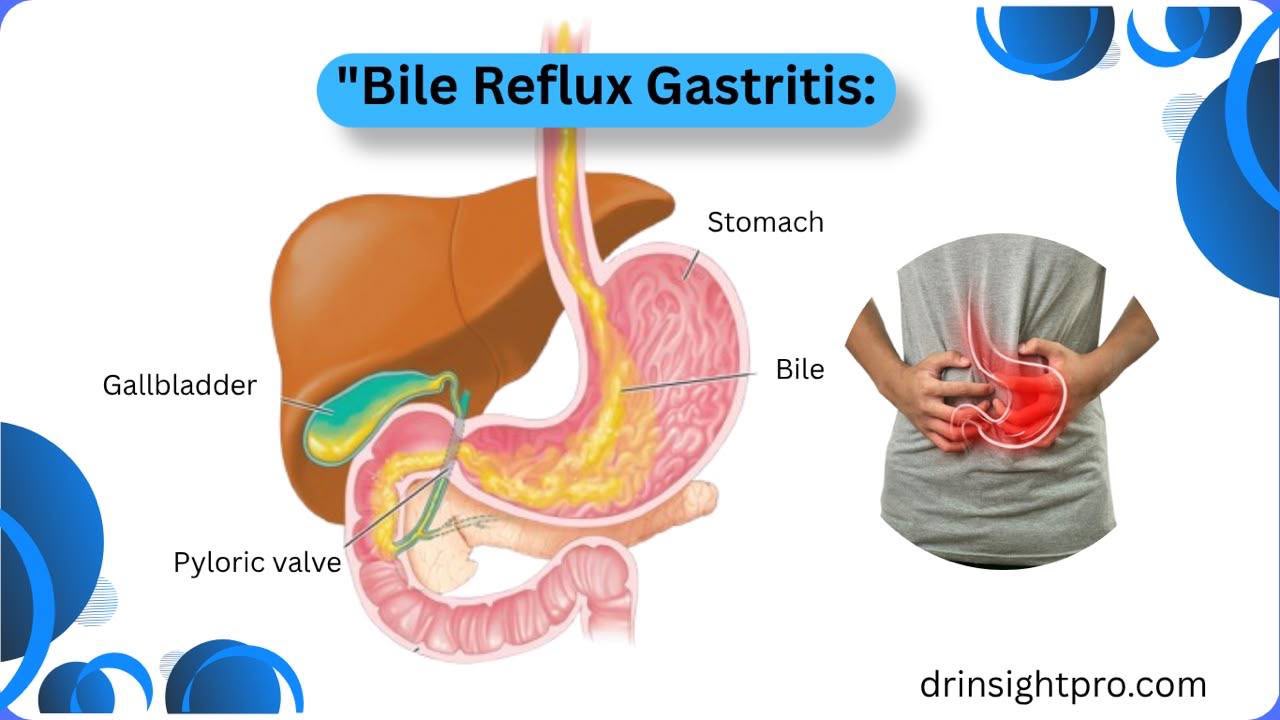
Bile reflux gastritis is a condition in which bile a digestive fluid produced by the liver to help break down fats flows backward into the stomach and irritates its lining causing inflammation. Common symptoms include upper abdominal pain, nausea, vomiting of yellow-green fluid, bloating, and indigestion. Early diagnosis and appropriate treatment are important to prevent long-term complications .
What is Bile reflux gastritis
Normally, bile travels from the liver to the gallbladder and then into the small intestine to aid digestion. However, when the pyloric valve the muscle that separates the stomach from the small intestine doesn’t function properly bile can flow backward into the stomach and irritates its lining causing inflammation.
Symptoms of Bile reflux gastritis:
- Upper abdominal pain or burning sensation
- Nausea and vomiting, sometimes with a yellowish-green fluid
- Heartburn
- A feeling of fullness after eating
- Weight loss
- Chronic cough or hoarseness (if bile reaches the esophagus)
Causes of Bile reflux gastritis:
Stomach surgery
Particularly gastric bypass or gallbladder removal surgery.
Peptic ulcers
Which can interfere with normal pyloric valve function.
Gallbladder surgery (cholecystectomy)
Alters the natural flow of bile.
Chronic stomach inflammation
Which can weaken the pyloric valve over time.
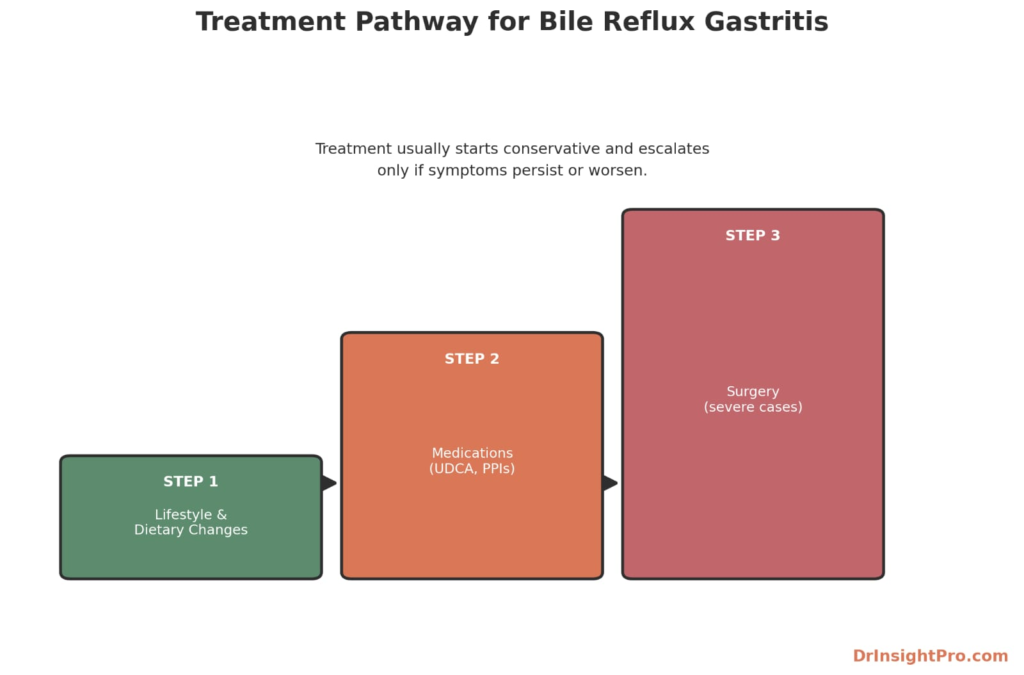
Diagnosis of Bile reflux gastritis:
Doctors may recommend the following tests:
Upper Endoscopy
To examine the stomach lining directly.
HIDA Scan
To track the flow of bile.
pH Monitoring
To determine whether the reflux is acid-based bile-based or both.
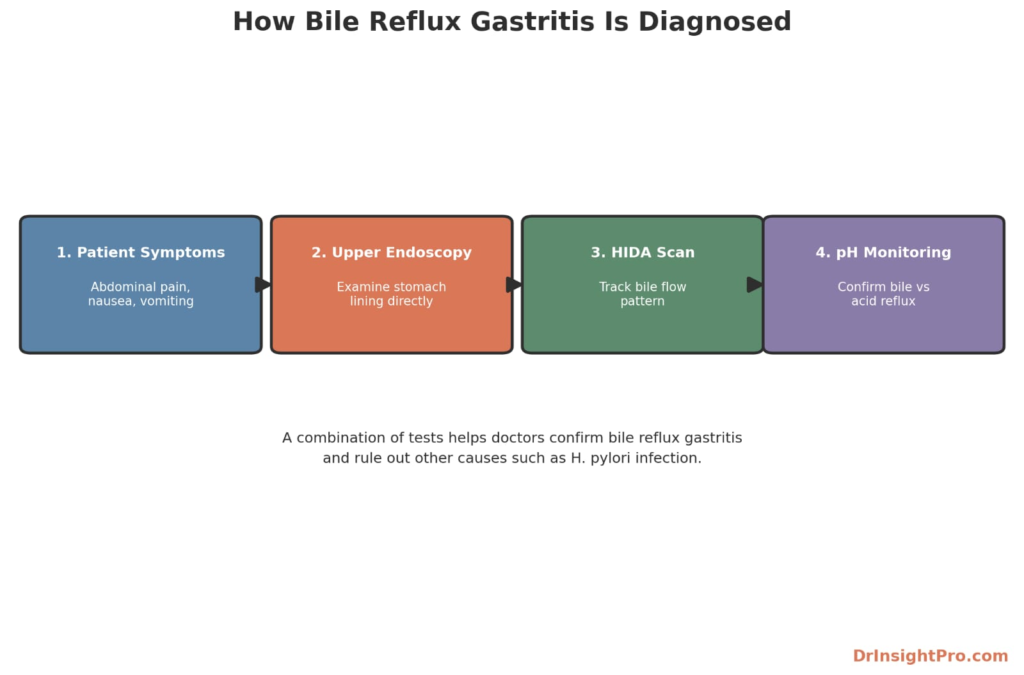
Treatment of Bile reflux gastritis:
Medications
Bile acid sequestrants Bind to bile acids to reduce irritation.
Ursodeoxycholic acid Helps change the composition of bile.
Proton pump inhibitors (PPIs) Used if acid reflux is also present.
Lifestyle Changes
- Eat smaller, more frequent meals
- Furthermore, avoid fatty and spicy foods
- Don’t lie down immediately after eating
- Avoid smoking and alcohol
- Sleep with your head elevated
Surgery
In severe cases where medication and lifestyle changes are not effective doctors may recommend surgery to redirect the flow of bile away from the stomach.
What Recent Research Shows (2025–2026)
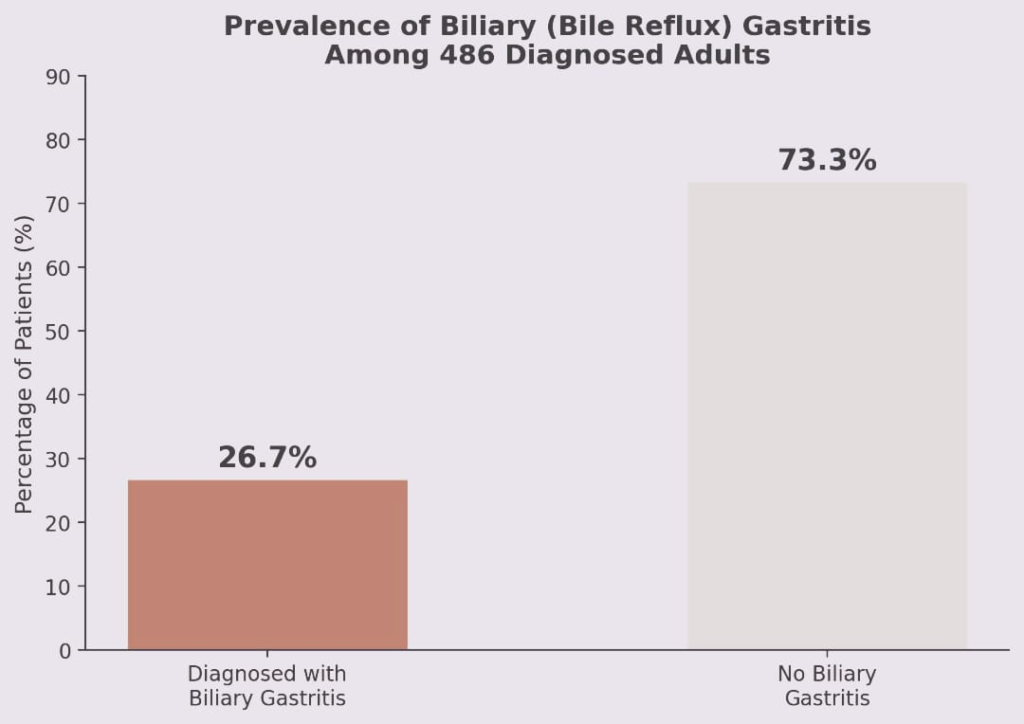
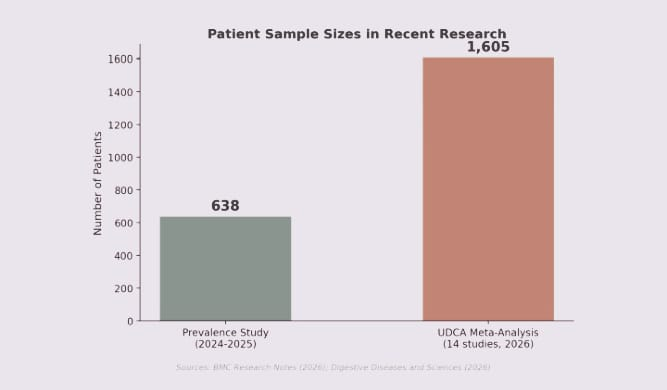
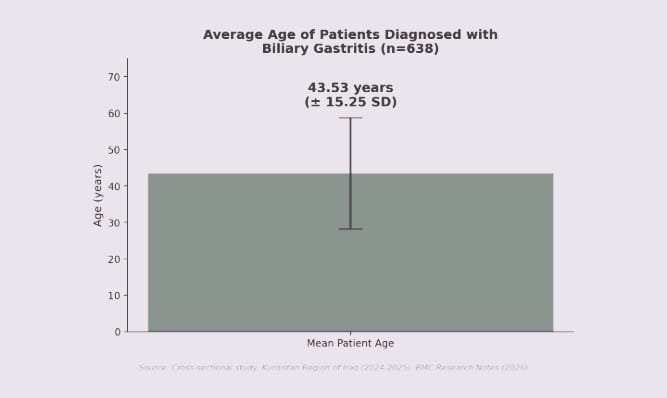
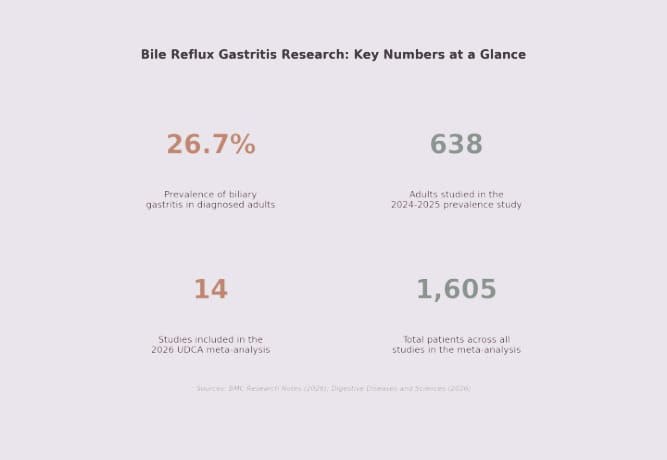
A 2025–2026 cross-sectional study of 638 adults found that biliary gastritis is an under recognized inflammatory condition associated with duodenogastric bile reflux and nonspecific gastrointestinal symptoms often leading to diagnostic challenges with a documented prevalence of 26.7% among patients with available diagnostic records.
A 2026 systematic review and meta-analysis covering 14 studies and 1605 patients found that combining conventional therapy with ursodeoxycholic acid (UDCA) significantly reduced the number of reflux episodes compared to control groups supporting its use as a treatment option.
Ongoing research continues to note that bile reflux is closely associated with the development of precancerous lesions and gastric cancer and that there is still no single gold-standard test for diagnosis which is why doctors often combine endoscopy biopsy and bile flow studies.
Pediatric research published in late 2025 has also begun looking at blood-marker-based tests that could help doctors distinguish bile reflux gastritis from H. pylori gastritis without relying solely on invasive biopsy procedures which could improve access to diagnosis in lower-resource settings.
Complications of Bile reflux gastritis
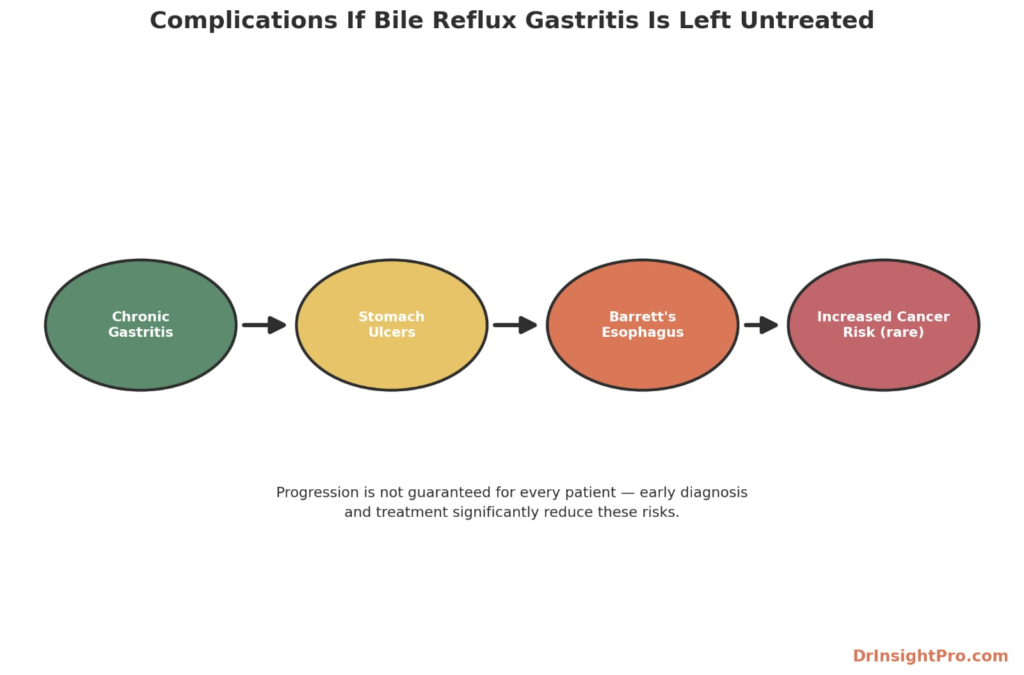
If Left Untreated;
- Barrett’s esophagus (changes to the esophageal lining)
- Chronic gastritis
- Stomach ulcers
- In rare cases, an increased risk of esophageal cancer
Diet and Nutrition for Bile Reflux Gastritis
A healthy diet can help reduce the symptoms of bile reflux gastritis. Although food alone cannot cure the condition choosing the right foods may protect the stomach lining and improve digestion.
Foods to Eat Choose fresh vegetables whole grains like oats and brown rice lean proteins such as chicken and fish healthy fats like olive oil and fruits such as apples and berries. These foods are gentle on the stomach and may help reduce irritation.
Foods to Avoid Avoid fried and oily foods spicy meals fast food processed snacks sugary drinks, alcohol, and smoking. These can make bile reflux symptoms worse.
Helpful Tips Eat small meals several times a day instead of large meals. Eat slowly avoid overeating and do not lie down for at least 2–3 hours after eating. These simple habits may help reduce bile reflux and improve comfort.
FAQs
Is bile reflux the same as acid reflux?
No , acid reflux involves stomach acid flowing back into the esophagus while bile reflux involves bile from the small intestine flowing back into the stomach . The two conditions can occur together but require different treatment approaches.
What foods should I avoid with bile reflux gastritis?
Fatty, fried, spicy, and heavily processed foods tend to worsen symptoms. Caffeine, alcohol and citrus fruits can also trigger irritation in some people.
Can stress make bile reflux gastritis worse?
Stress doesn’t directly cause bile reflux but it can worsen digestive symptoms overall and may indirectly affect eating habits and gut motility making symptoms feel more pronounced.
How is bile reflux different from gastritis caused by H. pylori?
H. pylori gastritis is caused by a bacterial infection, while bile reflux gastritis results from bile irritating the stomach lining. Both can cause similar symptoms but treatment differs H. pylori requires antibiotics whereas bile reflux is managed with bile binding medications.
Is bile reflux gastritis a serious condition?
It can range from mild to serious. Left untreated over a long period it may lead to complications such as chronic gastritis, ulcers or Barrett’s esophagus so timely diagnosis and management are important.
Medical Disclaimer
This article is for educational purposes only and should not be used as medical advice. If you have symptoms of bile reflux gastritis consult a qualified healthcare professional for proper diagnosis and treatment. Do not start or stop any medication without your doctor’s advice. Seek immediate medical care if you develop severe abdominal pain, vomiting blood or black stools.
About the Author
Dr. Sufiyan Awan, MD (Doctor of Medicine) is a medical doctor and former House Officer at Nishtar Hospital Multan. He is passionate about sharing accurate evidence-based and easy-to-understand medical information to help readers make informed health decisions. His articles are written using trusted medical guidelines and the latest scientific research. He has also completed World Health Organization (WHO) online certification programs further strengthening his commitment to evidence-based medical practice and public health education.