


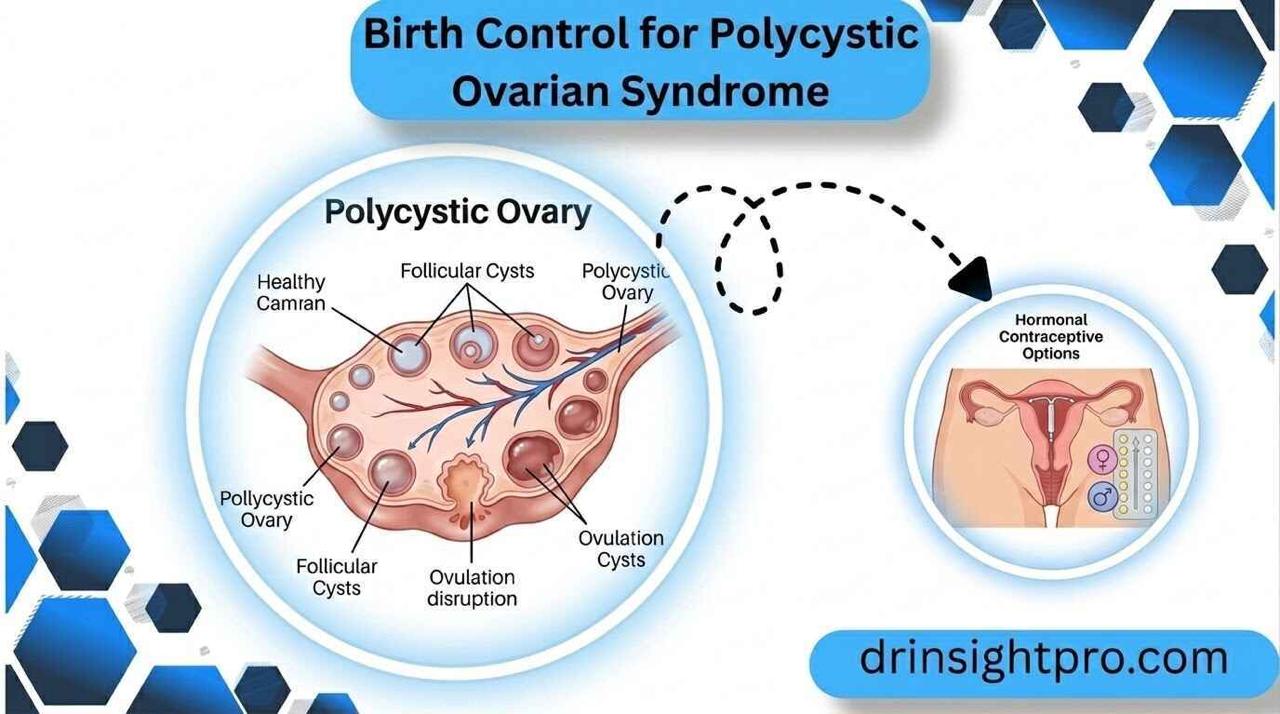
Polycystic Ovarian Syndrome (PCOS) is one of the most common hormonal conditions affecting women of reproductive age. Specifically, it can cause irregular periods, acne, excess hair growth, weight gain and long-term complications if left unmanaged. One of the most frequently recommended approaches for managing PCOS symptoms is birth control for Polycystic Ovarian Syndrome, particularly hormonal contraceptives. Therefore, this article explains how birth control helps with PCOS the different options available their benefits potential risks and what to expect when starting treatment.
What is Polycystic Ovarian Syndrome and How does birth control for PCOS work?
PCOS occurs when the ovaries produce higher-than-normal levels of androgens. Consequently, these are male hormones that disrupt the normal ovulation cycle. This hormonal imbalance is often the root cause of symptoms like irregular or missed periods, ovarian cysts and difficulty conceiving.
PCOS is fundamentally a hormonal disorder. Doctors often prescribe hormonal treatments including birth control as a first-line approach to help regulate the menstrual cycle and reduce androgen-related symptoms.

How Does Birth Control Help With PCOS?
Birth control for Polycystic Ovarian Syndrome works by introducing controlled levels of estrogen and progestin into the body. This combination helps in several ways:
Regulates the menstrual cycle:
Many women find that starting birth control for polycystic ovarian syndrome leads to a noticeable improvement in their quality of life.
Reduces androgen levels:
As a result, lower androgen levels can help reduce acne and excess facial or body hair.
Protects the uterine lining:
In fact irregular ovulation in PCOS can lead to a thickened uterine lining over time. This raises the risk of endometrial issues. Regular periods induced by birth control help shed this lining safely.
Improves skin symptoms:
Many women notice a reduction in acne breakouts after a few months of consistent use.
Types of Birth Control Commonly Used for Polycystic Ovarian Syndrome
There are several types of hormonal birth control that doctors may consider for managing PCOS symptoms. Each works differently and may suit different needs.
Combined Oral Contraceptive Pills
Specifically, these contain both estrogen and progestin. Doctors most commonly prescribe these options for PCOS. They help regulate periods and reduce androgen-related symptoms such as acne and unwanted hair growth.
Hormonal Patches
Additionally, the birth control patch delivers hormones through the skin and you change it weekly. It offers similar benefits to combined oral pills. It may be more convenient for women who have difficulty remembering a daily pill.
Hormonal IUDs
In contrast, women primarily use hormonal IUDs for pregnancy prevention. Some types can also help manage heavy or irregular bleeding associated with PCOS. They may have a more limited effect on androgen symptoms like acne or hair growth.
Vaginal Ring
Furthermore, doctors insert this is a flexible ring into the vagina that releases hormones over a three-week cycle. It provides hormonal regulation similar to the pill with less frequent maintenance.
Progestin-Only Pills
However, some women cannot take estrogen due to other health conditions. For them progestin-only pills may be an alternative. These primarily help regulate the menstrual cycle but may have less impact on androgen-related symptoms compared to combined pills.

Benefits of Using Birth Control for PCOS
Overall many women with PCOS find noticeable improvement in their quality of life after starting hormonal birth control. Common benefits include:
- More predictable and regular menstrual cycles
- Reduced acne and clearer skin over time
- Decreased excess hair growth
- Lower risk of endometrial thickening
- Reduced pelvic pain associated with ovarian cysts in some cases
- Added benefit of pregnancy prevention for women not currently trying to conceive
Using hormonal birth control offers several key advantages for women managing PCOS symptoms. It helps regulate irregular menstrual periods by establishing a predictable schedule and controls the buildup of the uterine lining. Furthermore, it lowers androgen hormone levels, which significantly reduces acne breakouts and excess facial or body hair growth over time. Many women also notice lighter menstrual flow, less painful cramping, and an overall improvement in their day-to-day comfort and quality of life.

Potential Risks and Side Effect
Generally, many women tolerate it well. Still it’s important to be aware of possible risks including:
- Nausea especially in the first few weeks
- Headaches
- Mood changes
- Breast tenderness
- Slight weight fluctuations
- Increased risk of blood clots particularly in women who smoke or have certain underlying health conditions
- PCOS itself is often linked to other health factors such as insulin resistance, weight and cardiovascular risk.
What to Expect When Starting Birth Control for PCOS
It typically takes a few months for the body to adjust to hormonal birth control. Here’s a general timeline of what many women experience:
First Month of Polycystic Ovarian Syndrome
The body begins adjusting to new hormone levels. Some mild side effects like spotting or nausea may occur.
Second to Third Month of Polycystic Ovarian Syndrome
Menstrual cycles often become more regular. Some improvement in skin may begin to appear.
Three to Six Months of Polycystic Ovarian Syndrome
Most noticeable improvements in acne and excess hair growth tend to appear within this window. Hair growth cycles take time to respond to hormonal changes.
Consistency is key. Birth control for PCOS symptom management generally requires several months of regular use before its full benefits become apparent.
Birth Control and Fertility
Many women wonder whether birth control affects future fertility. Therefore, In most cases fertility returns to its baseline PCOS-related pattern once birth control is stopped. This means any pre-existing ovulation irregularities from PCOS may still be present.In addition, women planning to conceive should speak with their doctor about transitioning off birth control. They may be guided toward other treatments to support ovulation if needed.
FAQs
Can birth control cure PCOS permanently?
No, Birth control manages symptoms while it is being used however, it does not cure the underlying hormonal imbalance. Consequently, symptoms may return once it is stopped.
What type of birth control is best for PCOS?
There is no single best option for everyone. For example, Combined oral contraceptive pills are commonly used, but the right choice depends on individual health history and should be decided with a doctor.
How long does it take for birth control to improve PCOS symptoms?
Most women notice more regular cycles within two to three months. In addition, improvements in acne and excess hair growth usually take three to six months to become noticeable.
Does birth control help with weight loss in PCOS?
First, birth control is not primarily a weight loss treatment. Some women notice slight weight changes, but weight management is usually addressed through diet and lifestyle changes.
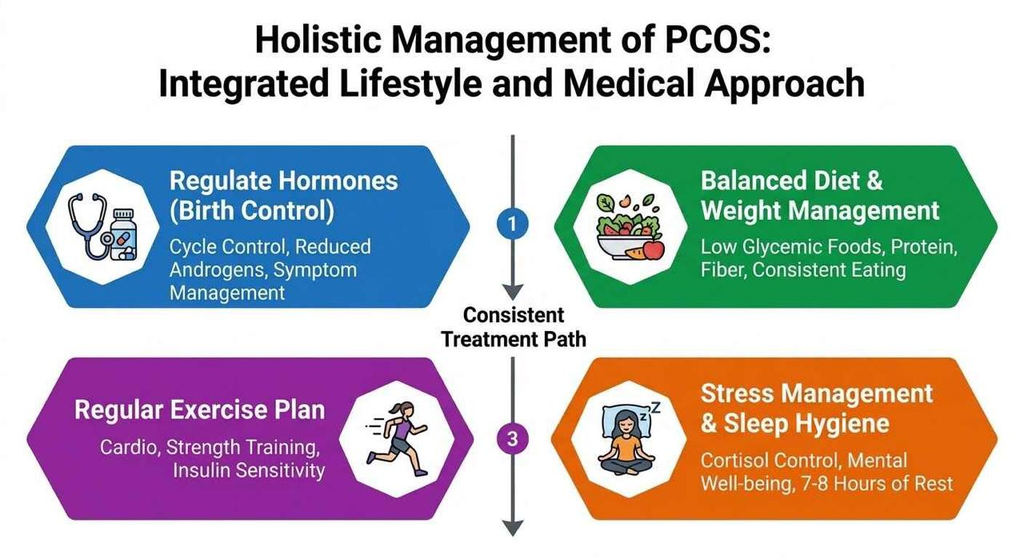
Managing PCOS successfully requires a balanced combination of medical care and daily lifestyle habits. While hormonal birth control regulates periods and manages hormone levels, focusing on a healthy diet with low-glycemic foods helps maintain stable blood sugar. Combining regular physical exercise with good sleep habits and stress management further improves hormone balance and overall health. Following this integrated approach ensures better long-term control over PCOS symptoms.
Can birth control be combined with other PCOS treatments?
Yes, It is often combined with medications like metformin or lifestyle changes for more complete symptom management.
Is birth control safe for long-term use in PCOS?
Overall, for many women it is considered safe for long-term use. However individual risk factors such as smoking, blood clot history or other health conditions should be discussed with a doctor.
Can I get pregnant right after stopping birth control for PCOS?
Fertility usually returns to its baseline PCOS-related pattern after stopping. Some women may need additional support to ovulate regularly if PCOS symptoms return.
Medical Disclaimer
This article is for educational purposes only and does not replace medical advice or clinical diagnosis. Always consult a qualified healthcare provider regarding your health conditions or treatments. Never disregard professional medical guidance based on information read on drinsightpro.com
About the Author
Dr Sufiyan Awan is a medical doctor who completed his clinical house job at Nishtar Medical University Multan. He has completed professional training courses with the World Health Organization WHO and works as a medical researcher. He translates clinical guidelines into reliable public health content for drinsightpro.com.
Refrence
This article draws on general medical guidance from trusted health organizations including Mayo Clinic, the American College of Obstetricians and Gynecologists (ACOG) and the National Institute of Child Health and Human Development (NICHD). Readers are encouraged to consult these sources and their own healthcare provider for personalized medical advice.