


Persistent upper stomach distress affects millions of adults worldwide. Medical professionals refer to this chronic epigastric discomfort as dyspepsia. Although many people confuse this issue with simple acid reflux, dyspepsia encompasses a much broader range of upper gastrointestinal symptoms. Understanding its root causes, diagnostic pathways, and evidence-based remedies helps individuals manage their symptoms effectively.
What Is Dyspepsia/Indigestion?
Dyspepsia is defined as recurring pain or discomfort located in the upper abdomen characterized by sensations of burning or fullness in the upper abdomen for a month or longer. Consequently, this condition accounts for nearly 3% of all outpatient medical visits.
Many patients think heartburn and dyspepsia are the same conditions. However, clear distinctions separate these two health issues:
Heartburn: Generates a burning sensation directly behind the breastbone. Gastroesophageal reflux disease (GERD) serves as the primary driver behind heartburn.
Dyspepsia: Involves broad discomfort centered directly within the stomach chamber. Key indications include early fullness, troublesome post-meal heaviness, epigastric aching, and upper belly burning.
What Causes Dyspepsia/Indigestion?
Gastroenterologists divide the origins of dyspepsia into four distinct categories:
- dietary triggers
- daily habits
- functional disorders
- structural diseases
Dietary and Lifestyle Factors
Specific daily choices and dietary items regularly provoke sudden bouts of indigestion:
- Consuming large portions too rapidly
- Eating high-fat meals
- Eating during time of mental stress
- Drinking excessive amounts of coffee, soda, or alcohol
- Taking specific prescription or over-the-counter medications
Furthermore, habitual smoking, excess body weight, and frequent aspirin consumption elevate overall susceptibility to indigestion. For this reason, Doctors ask about these daily habits because simple lifestyle changes can help prevent symptoms.
Functional Dyspepsia and Rome IV Criteria
If medical evaluations [tests] show no underlying structural defect, physicians classify the condition as functional dyspepsia. Approximately, 70-80% of people with long-term indigestion have no structural abnormality.
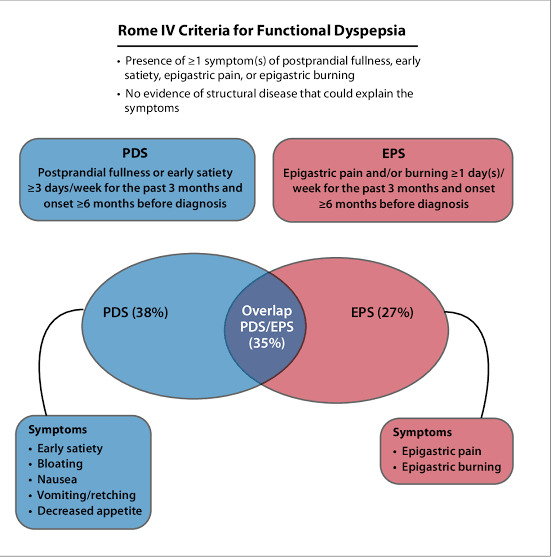
Physicians confirm functional dyspepsia using the standardized Rome IV criteria. Under these guidelines, discomfort must continue for a minimum of three months, following an initial onset at least six months prior to evaluation. Additionally, patients report one or more of the following core indications without any detectable organ damage:
Distressful Post-Meal Fullness: A persistent, uncomfortable sensation that ingested food lingers in the stomach chamber for an extended period.
Premature Satiety: Feeling completely full shortly after starting a meal, which prevents the completion of a standard portion.
Epigastric Pain: Localized, intense aching concentrated in the upper-middle abdominal region.
Epigastric Burning: A distinct, uncomfortable heat sensation felt in the upper stomach zone.
Subcategories of functional dyspepsia
Medical consensus separates functional dyspepsia into two primary subcategories:
1-Postprandial Distress Syndrome (PDS):
Primarily involves uncomfortable post-meal heaviness and early satiety following normal eating.
2-Epigastric Pain Syndrome (EPS):
People usually experience occasional pain or burning in the upper abdomen that is not always related to eating.
However, Many people have symptoms of both subtypes. These symptoms happen because the stomach nerves become too sensitive therefore, the stomach empties slowly, or the stomach cannot relax properly after meals .
Structural and Infectious Causes
Multiple physical abnormalities and biological infections also produce persistent indigestion:
Peptic Ulcer Disease:
Creates open sores within the gastric or duodenal lining in 5% to 15% of clinical cases.
GERD:
Overlaps with indigestion in up to 20% of evaluated patients.
Helicobacter pylori Infection:
This bacterium survives harsh gastric acid by generating a neutralizing enzyme. Consequently, H. pylori triggers chronic gastric inflammation, peptic ulcers, and functional digestive complaints.
Gastroparesis:
Causes abnormally slow stomach motility, particularly among diabetic patients.
Biliary and Pancreatic Disorders:
Gallstones trigger sharp right-upper-quadrant pain. Meanwhile, chronic pancreatitis or pancreatic tumors generate severe discomfort radiating through to the back.
Alarm Features/Red-Flag Conditions:
- Upper GI malignancies
- Intestinal parasites (Giardia)
- Abdominal growths represent rare structural causes.
Diagnosis of Dyspepsia/Indigestion
Because digestive symptoms frequently mirror one another across different diseases, primary care providers misdiagnose upper GI disorders based solely on symptoms in nearly half of all consultations. Therefore, clinicians follow structured, stepwise diagnostic protocols.
Medical History and Physical Exam
During initial consultations, the clinician assesses symptom frequency, eating patterns, and psychological wellness. Additionally, mental stress, anxiety, and mood changes directly alter gut-brain signaling and intensify perceived discomfort.
During physical assessments, practitioners check for warning signs such as, unexplained weight loss, palpable abdominal masses, organ enlargement or signs of internal bleeding.
Identifying Alarm Features
Clinicians immediately schedule urgent diagnostic procedures such as an endoscopy or CT scan when patients exhibit specific alarm features (red flags):
- Unintended weight loss
- Uncontrolled or recurrent vomiting
- Progressive difficulty swallowing (dysphagia) or painful swallowing
- Evidence of gastrointestinal bleeding, including bloody vomit (hematemesis) or dark, tarry stools (melena)
- Unexplained iron-deficiency anemia
- A documented family history of upper digestive tract cancer
Noninvasive Testing for H. pylori
For individuals under age 60 who lack alarm features, medical guidelines recommend starting with noninvasive screening for H. pylori. Physicians rely on two primary noninvasive diagnostic options:
- Urea Breath Test
- Stool Antigen Test
Essential Clinical Precaution:
Acid-suppression drugs (PPIs), antimicrobial treatments, and bismuth compounds suppress bacterial activity, leading to false-negative test outcomes. Consequently, patients must temporarily stop PPI medications for roughly two weeks and refrain from taking antibiotics or bismuth products for at least four weeks before undergoing diagnostic testing.
Upper Gastrointestinal Endoscopy
An upper endoscopy enables gastroenterologists to inspect the esophageal, gastric, and duodenal surfaces directly using a small camera.
Leading professional guidelines from the American College of Gastroenterology (ACG) advise endoscopic evaluation for individuals aged 60 or older presenting with new symptoms. However, several international medical protocols apply lower age cutoffs, such as 45 or 55 years, depending on regional gastric cancer rates and health system resources.
During endoscopic examinations, doctors take biopsies [collect tiny tissue samples] to verify H. pylori colonization and exclude underlying malignancies.
Secondary Diagnostic Testing
If discomfort continues despite unrevealing initial investigations, doctors advice specialized secondary tests:
- Routine blood work (including a complete blood count, serum calcium levels, thyroid panels, and liver enzyme tests)
- Celiac disease antibody screening
- Stool examinations to check for parasitic organisms or pancreatic elastase output
- Abdominal ultrasound or CT imaging to visualize gallbladder and pancreatic tissue
- Gastric emptying studies to evaluate stomach motility
Evidence-Based Treatments for Dyspepsia/Indigestion
Addressing dyspepsia successfully requires treating the underlying physical mechanism rather than relying on temporary antacid relief.
Eradication of H. pylori
When active H. pylori infection is positive on diagnostic testing
clinicians prescribe targeted eradication regimens. Modern clinical guidelines emphasize utilizing locally proven eradication therapies because bacterial resistance rates vary significantly across different geographical regions.
Practitioners typically order 14-day courses of bismuth quadruple therapy, concomitant therapy, or alternative evidence-based antibiotic combinations to maximize clearance rates. Successfully clearing the bacteria cures peptic ulcers and relieves functional symptoms in a meaningful subset of patients.
Acid Suppression Therapy
When H. pylori screening returns negative
Doctors generally initiate a 4-week trial of Proton Pump Inhibitors (PPIs) or H2 receptor blockers. Reducing stomach acid soothes underlying surface irritation and treats unrecognized acid reflux. If discomfort returns after completing the initial course, clinicians may implement intermittent or long-term low-dose PPI maintenance.
Medical Therapies for Functional Dyspepsia
If evaluations rule out structural lesions, bacterial infections, and acid reflux, practitioners direct therapy toward managing functional dyspepsia:
1. Neuromodulators:
Low doses of tricyclic agents (such as desipramine or nortriptyline, 25 mg to 50 mg taken at bedtime) calm hypersensitive digestive nerves. Doctors adjust dosages gradually to prevent unwanted side effects. Selective serotonin reuptake inhibitors (SSRIs) do not demonstrate comparable effectiveness for this condition.
2. Prokinetic Agents:
Medications that stimulate digestive movement (such as metoclopramide) accelerate gastric emptying. However, physicians restrict metoclopramide to brief treatment windows due to potential movement disorders like tardive dyskinesia. In regions with strict prokinetic restrictions, physicians may consider alternative motility drugs such as acotiamide or fundic accommodation agents like buspirone.
3. Psychological Interventions:
When discomfort persists despite lifestyle adjustments and medical therapies, doctors recommend targeted psychological care. Cognitive behavioral therapy (CBT), gut-directed hypnotherapy, and relaxation techniques directly modulate gut-brain axis communication. These evidence-based approaches decrease symptom intensity and improve quality of life for individuals with treatment-resistant functional dyspepsia.
⚕️ Important: This article is strictly for informational purposes and does not constitute medical advice. Consult a licensed doctor or gastroenterologist for personalized medical diagnosis and treatment.
Natural Remedies and Lifestyle Changes
Additionally, Patients can adopt actionable daily routines to control upper abdominal discomfort effectively:
- Eat Smaller, Frequent Meals: Portioned dining prevents excessive stretching of the stomach wall.
- Reduce Dietary Fat Intake: High-fat meals slow gastric transit and worsen post-meal heaviness.
- Avoid Known Irritants: Minimize intake of caffeinated beverages, alcohol, NSAIDs, and carbonated drinks.
- Adjust Meal Timing: Refrain from lying down within three hours of dining to minimize nighttime reflux.
- Utilize Botanical Therapies: Enteric-coated peppermint oil and caraway oil demonstrate proven benefits in clinical trials by relaxing gastric smooth muscle.
- Maintain a Symptom Diary: Logging daily meals helps identify personal trigger foods accurately.
Summary
Dyspepsia serves as a gateway to several distinct health issues, spanning temporary indigestion, functional gut-brain disruptions, and serious structural diseases. Consequently, patients should avoid self-diagnosing with over-the-counter remedies. By following a structured clinical evaluation screening for alarm signs, testing for H. pylori, utilizing age-appropriate endoscopy, and applying targeted therapies patients achieve lasting relief and superior digestive health.
References
Moayyedi, P. M., Lacy, B. E., Andrews, C. N., Enns, R. A., Howden, C. W., & Vakil, N. (2017). ACG and CAG clinical guideline: Management of dyspepsia. American Journal of Gastroenterology, 112(7), 988–1013. https://doi.org/10.1038/ajg.2017.154
Schmulson, M. J., & Drossman, D. A. (2017). What is new in Rome IV. Journal of Neurogastroenterology and Motility, 23(2), 151–163. https://doi.org/10.5056/jnm16214
Suzuki, H. (2017). The application of the Rome IV criteria to functional esophagogastroduodenal disorders in Asia. Journal of Neurogastroenterology and Motility, 23(3), 325–333. https://doi.org/10.5056/jnm170
Yamawaki, H., Futagami, S., Wakabayashi, M., Sakasegawa, N., Agawa, S., Higuchi, K., Kodaka, Y., & Iwakiri, K. (2017). Management of functional dyspepsia: State of the art and emerging therapies. Therapeutic Advances in Chronic Disease, 9(1), 23–32. https://doi.org/10.1177/2040622317725479
FAQs
No, dyspepsia and GERD represent distinct clinical conditions. GERD specifically involves stomach acid traveling upward into the esophagus, producing chest heartburn. Conversely, dyspepsia causes discomfort centered inside the stomach chamber itself, including early fullness, pain, and bloating. However, up to 20% of patients experience both conditions concurrently.
A normal endoscopy confirms the absence of physical ulcers, visible tissue inflammation, and tumors. However, endoscopic cameras cannot detect nerve hypersensitivity or abnormal muscle relaxation. These functional disruptions cause genuine physical discomfort in up to 75% of chronic cases, requiring specialized neuromodulators or gut-brain therapies rather than surgical fixes