


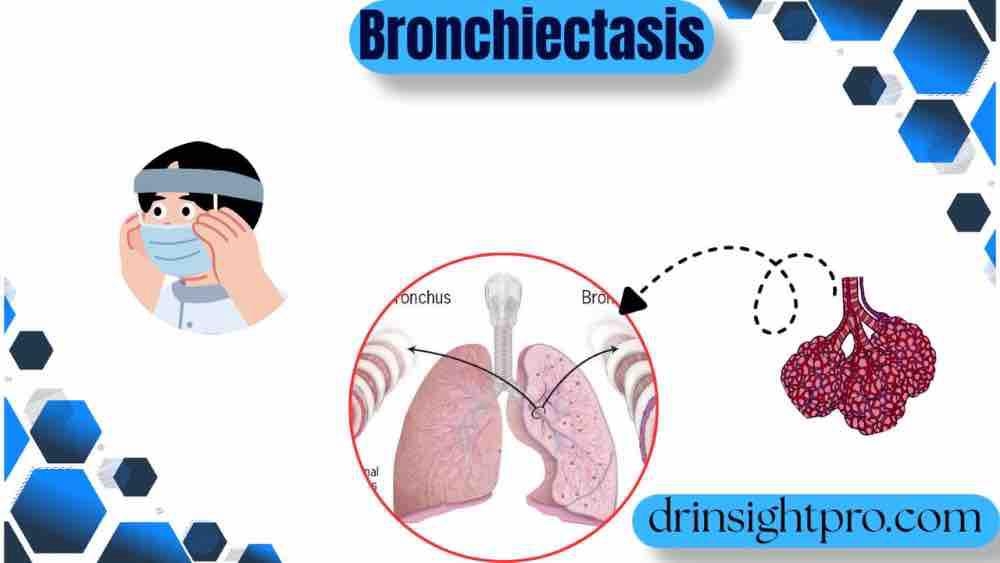
Bronchiectasis is a chronic lung condition. It happens when the airways, called bronchi, become damaged and widened. This damage is usually permanent. As a result, mucus builds up inside the lungs. The lungs then become more prone to infections.
This condition affects both children and adults. However, it is more common in older adults. Many people live with bronchiectasis for years without knowing it. Understanding this condition early can help manage symptoms better and reduce the risk of complications down the line.

How Does Bronchiectasis Affect the Lungs?
- Healthy airways are narrow and flexible. They move mucus out of the lungs naturally. In this process breaks down. The airway walls become thick and scarred. Moreover, they also lose their normal shape. Instead of narrow tubes, they become wide and floppy. Consequently, this makes it harder to clear mucus.
- As mucus builds up, bacteria grow more easily. As a result, this leads to repeated lung infections. Furthermore, over time, each infection can cause further airway damage. The severity of bronchiectasis varies widely. Some patients have damage in just one part of one lung. Others have widespread damage across both lungs.
- This cycle is sometimes called the “vicious cycle” of bronchiectasis. Infection leads to inflammation. Inflammation leads to more airway damage. More damage then leads to further infection. Breaking this cycle is the main goal of treatment. Doctors often use CT scans to measure how much of the lung is affected.

What Causes Bronchiectasis
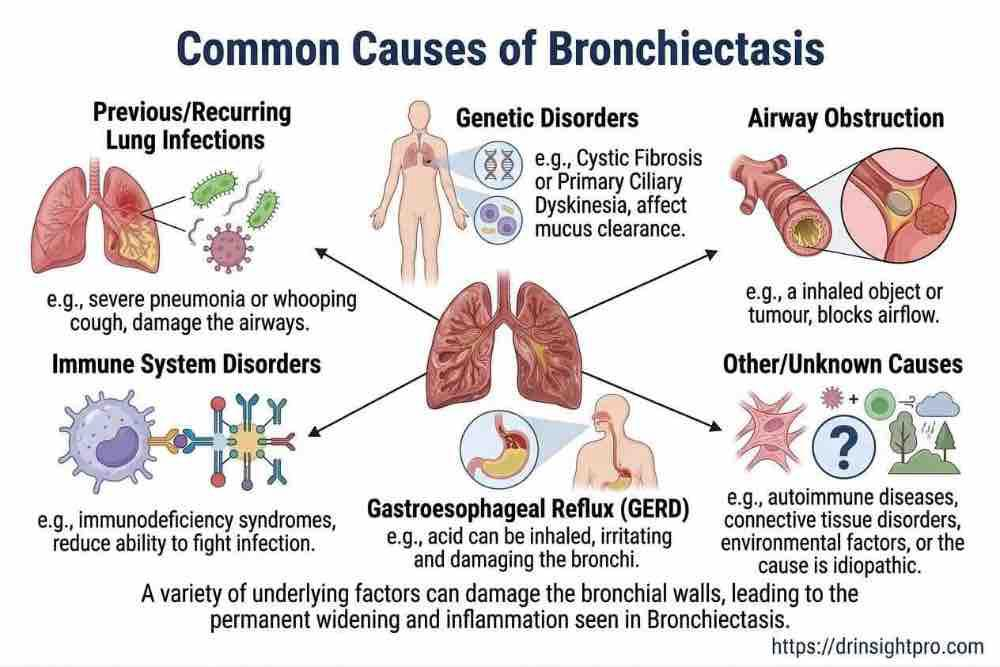
It can develop from many different causes. In some cases, doctors cannot identify a clear cause. This is called idiopathic bronchiectasis. Common causes include:
Immune system disorders
Specifically, a weak immune system makes the lungs more vulnerable to infection.
Severe lung infections
For example, Pneumonia, tuberculosis or whooping cough can damage the airways.
Autoimmune diseases
Conditions such as rheumatoid arthritis can sometimes affect the lungs.
Cystic fibrosis
A genetic condition that causes thick, sticky mucus in the lungs.
Blocked airways
An object stuck in the airway, or a tumor, can lead to localized damage.
Allergic reactions
Allergic bronchopulmonary aspergillosis, a reaction to a certain fungus, can trigger chronic long condition..
In many patients, more than one cause may contribute. This is why doctors often run several tests. A thorough evaluation helps create a treatment plan suited to the individual’s specific health history and needs.
What is Traction Bronchiectasis?
Traction bronchiectasis is a specific type of bronchiectasis. It occurs when scarring in the lung tissue pulls on the airway walls. This pulling force widens the airways from the outside. This type is often linked to pulmonary fibrosis. Pulmonary fibrosis causes scarring throughout the lung tissue. As the scar tissue tightens, it drags on nearby airways.
Traction bronchiectasis is different from typical bronchiectasis. Typical bronchiectasis usually starts with infection or mucus blockage. It starts with lung scarring instead. However, both types lead to widened, damaged airways.
Symptoms of Bronchiectasis
Symptoms of bronchial dilation can vary from person to person. Some people experience mild symptoms. Others face more severe, daily challenges. Common symptoms include:
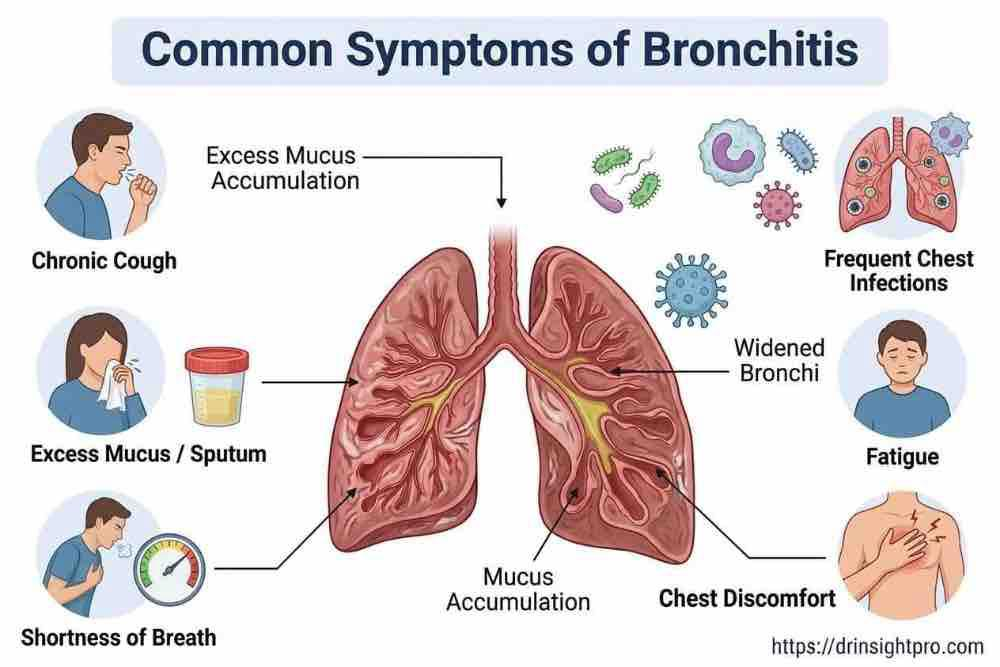
- A persistent cough that lasts for months or years
- Coughing up large amounts of mucus daily
- Shortness of breath, especially during activity
- Wheezing or a whistling sound while breathing
- Chest pain, particularly during infections
- Fatigue and low energy levels
- Coughing up blood in more severe cases
How is Bronchiectasis Diagnosed?
Doctors use several tools to confirm bronchiectasis. A CT scan is the most reliable method. It clearly shows widened, damaged airways. Other tests may include:
Sputum tests: These identify bacteria causing infections.
Blood tests: These check for infection or immune system problems.
Lung function tests: These measure how well the lungs are working.
Bronchoscopy: A thin camera checks the airways directly, if needed.
Early diagnosis helps prevent further lung damage. Therefore, doctors recommend testing if symptoms persist for several weeks.
Treatment of Bronchiectasis
There is currently no complete cure for bronchiectasis. However, treatment can control symptoms effectively. It can also slow down further lung damage. Most treatment plans combine several approaches at once, rather than relying on a single method.
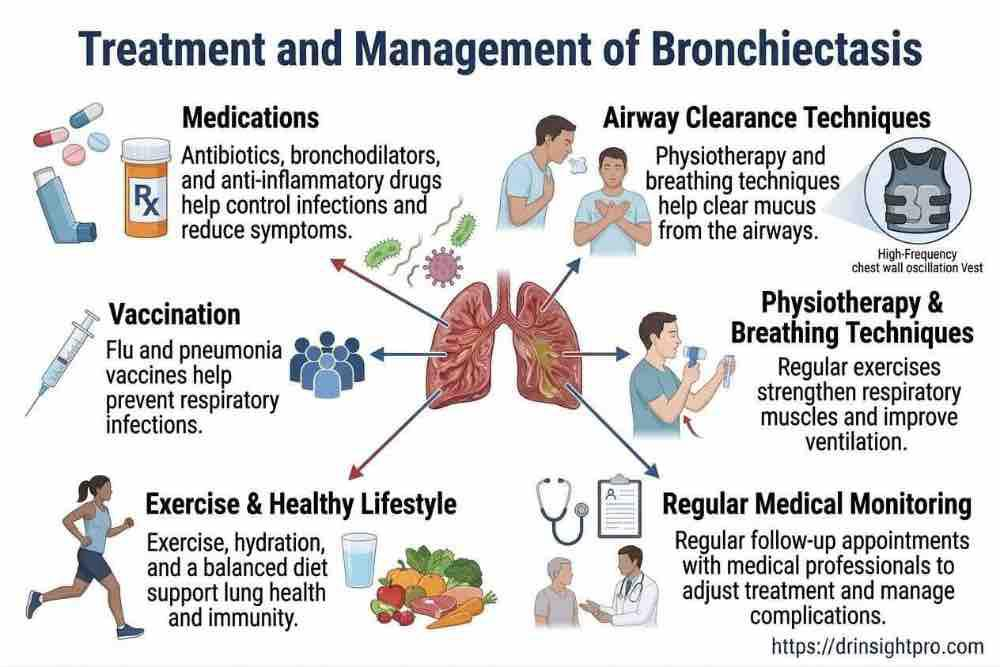
Airway Clearance Techniques
Clearing mucus is a major part of treatment. Patients often use special breathing techniques. Devices such as oscillating positive pressure valves can also help. These tools loosen mucus so it can be coughed out easily.
Physiotherapists often teach patients specific clearance methods. These include controlled coughing and postural drainage. Postural drainage uses gravity to help move mucus toward larger airways. Many patients perform these techniques daily, often more than once, to keep the lungs as clear as possible.
Medications
Doctors may prescribe several types of medication, including:
Antibiotics: These treat bacterial infections during flare-ups.
Bronchodilators: These relax airway muscles and improve airflow.
Anti-inflammatory drugs: These reduce swelling inside the airways.
Pulmonary Rehabilitation
This is a structured program of exercise and education. It helps patients breathe more efficiently. It also improves overall stamina and quality of life.
Surgery
Surgery is rare and only used in severe cases. It may be considered when damage is limited to one part of the lung.
Living With Bronchiectasis
Many people manage this respiratory condition successfully for years. A few lifestyle habits can make a noticeable difference. Helpful habits include:
- Staying up to date with vaccinations, including flu and pneumonia vaccines
- Avoiding smoking and secondhand smoke
- Practicing airway clearance techniques daily
- Staying physically active, as tolerated
- Attending regular checkups with a pulmonologist
- Consistency plays a key role. Regular care often leads to fewer flare-ups over time.
Bronchiectasis vs Other Lung Conditions
People often confuse bronchiectasis with other lung diseases. Understanding the differences can help clarify a diagnosis.
Bronchiectasis vs Asthma
Asthma causes airway narrowing that is usually reversible with medication. Bronchiectasis causes permanent airway widening. Both can cause wheezing, but their underlying mechanisms differ significantly.
Bronchiectasis vs Pneumonia
Pneumonia is usually a short-term infection that clears with treatment. Bronchiectasis is a long-term structural change in the lungs. However, repeated pneumonia episodes can sometimes lead to bronchiectasis over time.
Bronchiectasis vs COPD
COPD is typically caused by long-term smoking. It mainly damages the air sacs and narrows the airways. Bronchiectasis, on the other hand, widens and scars the airways directly. Some patients have both conditions at the same time, which doctors call an overlap syndrome.
Recent Research and Advances
Research on bronchiectasis has grown significantly in recent years. Scientists are now focusing on personalized treatment approaches. These approaches consider each patient’s specific bacteria type and lung damage pattern.
New inhaled antibiotic therapies are also being studied. Early results suggest they may reduce flare-ups more effectively than oral antibiotics alone. Additionally, researchers are exploring anti-inflammatory drugs that target the root cause of airway damage, rather than just symptoms.
Global health organizations have also introduced updated registries. These track patient outcomes across countries. This data helps doctors understand which treatments work best for different patient groups. As research continues, treatment plans are expected to become more precise. This may improve long-term outcomes for people living with this condition.
Frequently Asked Questions
Is bronchiectasis the same as COPD?
No, both has different conditions. However, they can sometimes occur together, and their symptoms may overlap.
How long can someone live with bronchiectasis?
With proper treatment, many people live a normal lifespan. Early diagnosis and consistent care greatly improve outcomes and overall quality of life.
Is bronchiectasis a serious condition?
It can be serious if untreated. With proper management, many people live full, active lives.
What is the difference between bronchiectasis and traction bronchiectasis?
Typical bronchiectasis usually results from infection or mucus blockage. Traction bronchiectasis results from lung scarring pulling on the airways.
Can bronchiectasis be cured?
Currently, there is no cure. However, proper treatment can control symptoms and slow disease progression.
Can children develop bronchiectasis?
Yes, Children can develop bronchiectasis, often due to infections or underlying conditions like cystic fibrosis.
Reference
This article draws on general medical guidance from trusted health organizations, including the American Lung Association, Cleveland Clinic and the National Institutes of Health (NIH). Readers are encouraged to consult these sources and their own healthcare provider for personalized medical advice.
American Lung Association
National Heart, Lung and Blood Institute (NIH)
Medical Disclaimer
The content provided on drinsightpro.com is for informational and educational purposes only and is not a substitute for professional medical advice, diagnosis, or treatment. Always seek the advice of a qualified healthcare provider regarding any medical condition.
About the Author
Dr. Sufiyan Awanis a medical doctor (MBBS) and independent researcher dedicated to making evidence-based clinical knowledge accessible to the public. Having completed his clinical training at Nishtar Hospital, Multan, he specializes in simplifying complex gastrointestinal and respiratory conditions. Through Dr. Insight Pro, he creates accurate medical articles and visual resources to help patients better understand their health.