


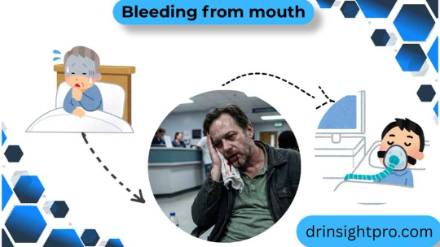
Bleeding from the mouth is commonly caused by gum disease, mouth injuries, ulcers or recent dental treatment. Medicines that affect blood clotting can also make bleeding worse. Blood may sometimes come from the lungs or digestive tract instead. Heavy, persistent or unexplained bleeding, or bleeding with breathing difficulty, needs urgent medical attention.
Seeing blood in your mouth can be alarming. In many cases the source is a minor problem such as irritated gums, a mouth injury or recent dental treatment. However blood can also come from the airway or the digestive tract. The first useful step isn’t guessing at a cause. It’s figuring out where the bleeding is actually coming from.
What Is Bleeding From the Mouth?
Bleeding from the mouth refers to any blood that appears in the mouth, whether it comes from the gums, teeth, tongue, cheeks or somewhere further inside the body such as the airway or upper digestive tract. It can range from a faint pink tinge in saliva to visible fresh blood, and it can be a one off event or a recurring problem.
Because the mouth is connected to both the respiratory system and the digestive system, blood that appears there doesn’t always start there. Working out the true source is the first step toward understanding what’s going on.
Where Is the Blood Actually Coming From?
Mouth bleeding generally falls into one of three categories and each one points toward a different set of causes and a different specialist.
| Possible source | Typical clues | Likely specialist |
|---|---|---|
| Mouth, gums or cheek | Bleeding during brushing or flossing, swollen gums, a visible cut or sore | Dentist |
| Airway or lungs (hemoptysis) | Blood appears with coughing, is often bright red or frothy and mixed with mucus | Doctor or respiratory specialist |
| Stomach or esophagus (haematemesis) | Blood appears with vomiting, may look dark or resemble coffee grounds | Emergency or gastroenterology care |
Noticing which category fits your situation gives you and any doctor you see a much faster starting point.
Causes of Mouth Bleeding
| Likely source | Specific source point | Potential causes | Key characteristics and associated symptoms |
|---|---|---|---|
| Oral tissues (gums and lining) | Gums (gingiva) | Gingivitis or periodontitis | Most common cause. Red, swollen gums that bleed during brushing or flossing, plus bad breath. |
| Mechanical injury | Aggressive brushing or flossing, hard bristles or excessive force, and ill-fitting dentures or orthodontic appliances. | ||
| Hormonal changes | Pregnancy, puberty or menopause can increase gum sensitivity and bleeding tendency, sometimes called pregnancy gingivitis. | ||
| Systemic conditions | Diabetes can weaken gum tissue. Leukemia and blood clotting disorders such as hemophilia can also cause gum bleeding. | ||
| Mouth lining (cheeks, tongue, lips) | Trauma | Accidental biting, sharp foods, sports injuries or thermal burns, usually with a visible cut. | |
| Oral infections | Canker sores (aphthous ulcers), oral herpes (cold sores) or oral thrush. | ||
| Severe dry mouth (xerostomia) | Gums or tongue dry out and crack, leading to minor bleeding. | ||
| Oral cancer | Non healing sores, lumps or persistent unexplained bleeding in the mouth. See the dedicated section below. | ||
| Systemic factors affecting oral tissue | Overall oral cavity | Medications | Anticoagulants such as warfarin or heparin, and antiplatelet medicines such as aspirin, make bleeding more likely from minor irritation. |
| Nutritional deficiencies | Deficiencies in vitamin C (scurvy) or vitamin K impair the body’s clotting and healing ability. | ||
| Upper respiratory or nose | Blood coming from behind the mouth | Nosebleeds (epistaxis) | Blood flows from the back of the nasal cavity into the throat and is spat out rather than originating in the mouth. |
| Postnasal drip | Blood mixes with mucus dripping from the sinuses or nose into the throat, often noticed in the morning. | ||
| Lungs (hemoptysis) | Coughing up blood | Respiratory infections | Bronchitis, pneumonia or tuberculosis. Blood is typically bright red, frothy and mixed with sputum. |
| Chronic lung conditions | Severe COPD, bronchiectasis or lung cancer. | ||
| Digestive system (haematemesis) | Vomiting up blood | Upper GI issues | Acid reflux (GERD), stomach ulcers or gastritis can irritate the esophagus and cause blood in vomit. |
| Vomiting blood | Bright red blood suggests new bleeding. Dark, coffee ground blood suggests older bleeding. Either is a medical emergency. |
This table is for informational purposes only and does not replace a diagnosis from a healthcare professional. If bleeding from the mouth is persistent, severe or unexplained, consult your doctor or dentist promptly.
When to Seek Emergency Care
Mouth bleeding can sometimes signal a medical emergency. Seek immediate care if the bleeding comes with any of the following:
- Heavy, uncontrolled bleeding that won’t stop with pressure
- Vomiting blood (haematemesis)
- Difficulty breathing or severe chest pain
- Confusion, dizziness or fainting
- Signs of shock such as pale skin or a fast heartbeat
Evidence based guidance
Bleeding gums are commonly associated with gum disease, particularly gingivitis and periodontitis.
Clinical perspective
When the source of the blood is uncertain, identifying whether it’s coming from the mouth, the airway or the digestive tract is the most useful first step before assuming a cause.
What Should You Do If Your Mouth Starts Bleeding?
For minor bleeding from the gums, cheek or a small cut:
- Sit upright rather than lying down.
- Try to identify the visible source if you can.
- Apply gentle direct pressure with clean gauze or a clean cloth.
- Avoid repeatedly checking or disturbing the area, since this can restart bleeding.
- Seek professional dental or medical care if bleeding continues or keeps returning.
If blood is being coughed up or vomited rather than coming from a visible spot in your mouth, don’t treat it as simple gum bleeding. Follow the emergency guidance below instead.
Can Oral Cancer Cause Bleeding From the Mouth?
In addition, bleeding alone doesn’t mean cancer, and most cases of mouth bleeding are due to far more common causes like gum disease or injury. Still, certain features together are worth having examined promptly rather than watched:
- A mouth ulcer or sore that hasn’t healed after a couple of weeks
- A lump inside the mouth
- A persistent red or white patch on the gums, tongue or inside of the cheek
- Bleeding that keeps returning without an obvious cause
- Ongoing mouth pain
- Difficulty chewing or swallowing
- A persistent lump in the neck
If you notice any of these alongside bleeding, arrange an examination rather than waiting to see if it resolves on its own.
Risk Factors of Mouth Bleeding
- Poor oral hygiene or infrequent dental visits
- Tobacco use, including smoking and vaping
- Taking anticoagulants, antiplatelet medicines or regular NSAIDs
- Poorly fitting dentures or dental appliances
- A history of gum disease
- Pregnancy, which can increase gum sensitivity
- Diabetes, which raises the risk of gum disease
- A family or personal history of clotting disorders
Other Symptoms Along With Mouth Bleeding
- Swollen, tender or receding gums
- Bad breath that doesn’t improve with brushing
- Loose teeth
- A sore or lump that doesn’t heal
- Pain when swallowing
- A cough, if the source is respiratory rather than oral
When Is Mouth Bleeding a Medical Emergency?
Most mouth bleeding is minor and settles on its own or with basic dental care. Seek urgent medical care if bleeding is heavy, doesn’t stop with firm direct pressure or keeps restarting. Treat it as an emergency if any of the following are also present:
- Difficulty breathing or swallowing
- Coughing up a significant amount of blood
- Vomiting blood or material that looks like coffee grounds
- Black or tarry stools alongside suspected bleeding
- Fainting, severe dizziness or other signs of shock such as pale clammy skin or a fast heartbeat
- Bleeding after a facial injury along with confusion or loss of consciousness
- Heavy bleeding in someone taking anticoagulant medication
If any of these apply, don’t wait to see if the bleeding improves. Go to an emergency department or call emergency services.
Diagnosis of Mouth Bleeding
Medical History
A dentist or doctor will typically ask about how long the bleeding has been happening, how much blood is involved and whether it’s tied to brushing, flossing or a specific injury. They’ll also ask about recent dental procedures, any cough or vomiting, current medicines, tobacco use and any previous bleeding problems.
Oral Examination
Moreover, this usually includes a close look at the gums, teeth, tongue and cheeks, along with a check for mouth ulcers, unusual lesions or signs of infection.
Blood Tests
However, blood tests aren’t needed for every case. They’re more likely to be used when a systemic bleeding or clotting problem is suspected rather than a clear local cause like gum disease or injury.
Further Investigations
If the bleeding seems to be coming from the airway or digestive tract rather than the mouth itself, further steps such as imaging, endoscopy or a respiratory assessment may be needed depending on the suspected source.
Treatment Of Bleeding from Mouth
For Gum Disease
- Professional dental cleaning to remove plaque and tartar
- Improved daily oral hygiene
- Periodontal treatment from a specialist if the disease has progressed
For Mouth Injury
- Direct pressure on the area
- Dental or medical evaluation for deep or ongoing wounds
After Dental Procedures
- Following your dentist’s post procedure instructions closely
- Contacting the dental office if bleeding is persistent or heavier than expected
Treatment for Bleeding Disorders
- Investigation of the underlying disorder by a doctor
- Treatment directed at the specific diagnosis once identified
Treatment for Coughing Up Blood
This should be directed toward medical evaluation rather than dental treatment, since the source is the airway rather than the mouth.
Treatment for Vomiting Blood
This should be treated as a medical emergency rather than ordinary mouth bleeding, given how quickly it can become serious.
Recommendations can vary somewhat by country and by professional guideline, so your own dentist or doctor’s advice should take priority over general information here.
Prevention Tips
- Brush gently twice a day with a soft bristled toothbrush
- Floss daily rather than only before dental visits
- See a dentist for regular cleanings and checkups
- Avoid tobacco products
- Tell your dentist about any blood thinning medication before procedures
- Treat mouth ulcers gently and avoid irritating them further
- Have poorly fitting dentures adjusted rather than tolerating ongoing rubbing
Yes. Hormonal changes during pregnancy can make gums more sensitive and prone to bleeding, a pattern sometimes called pregnancy gingivitis. It usually improves after delivery with continued good oral hygiene, though a dentist can still help manage symptoms during pregnancy itself.
If blood seems to be coming from a cough or from vomiting rather than your gums or cheek, treat it as more urgent than ordinary gum bleeding and seek medical evaluation rather than dental care alone, since the underlying cause is likely to involve the airway or digestive tract.
Repeated bleeding during brushing often occurs with gingivitis or another gum problem, especially if the gums also look red or swollen. Continue gentle brushing and daily flossing, and arrange a dental examination if the bleeding persists or happens frequently, since ongoing gum inflammation is worth having professionally assessed rather than managed at home alone.
Refrences
American Dental Association (ADA). Gum Disease: Causes, Symptoms, and Treatments. ADA Clinical Practice Guidelines. Updated 2023. Available from: https://www.ada.org/resources/research/science-and-research-institute
National Institute for Health and Care Excellence (NICE). Acute upper gastrointestinal bleeding in over 16s: management. NICE Clinical Guideline [CG141]. Published June 2012, updated August 2016. Available from: https://www.nice.org.uk/guidance/cg141
About the Author
Dr. Sufiyan Awan is a medical professional, clinical researcher, and healthcare writer. He specializes in creating evidence-based, patient-centered medical guides, simplifying complex gastroenterology, internal medicine, and emergency topics for readers worldwide.