


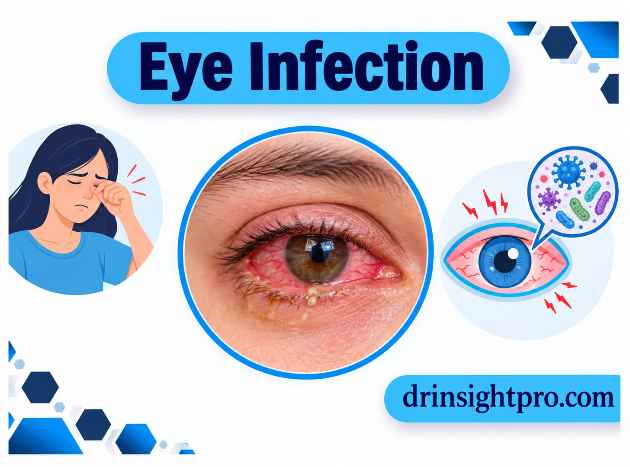
A red, itchy or watery eye can be alarming, especially when it appears suddenly. Eye infection is a common reason people seek medical care, and many cases are mild and treatable. However, some infections can affect the cornea or deeper parts of the eye and may threaten vision if treatment is delayed.
What Is an Eye Infection?
An eye infection occurs when a microorganism such as a virus, bacterium, fungus or parasite affects the eye or surrounding tissues. Your immune system responds to the infection with inflammation, which can cause redness, swelling, discharge and discomfort.
Some infections affect the surface of the eye, while others involve the cornea, eyelids or deeper structures. The severity therefore depends on which part of the eye is affected and what caused the infection.
It is also important to remember that not every red or irritated eye has an infection. Allergies, dry eye, smoke, chemicals and other non-infectious conditions can cause similar symptoms.
Common Types of Eye Infection
Conjunctivitis, also known as pink eye
Conjunctivitis occurs when the conjunctiva, the thin tissue lining the inside of the eyelids and covering the white part of the eye, becomes inflamed. This inflammation makes the small blood vessels more visible and gives the eye a pink or red appearance.
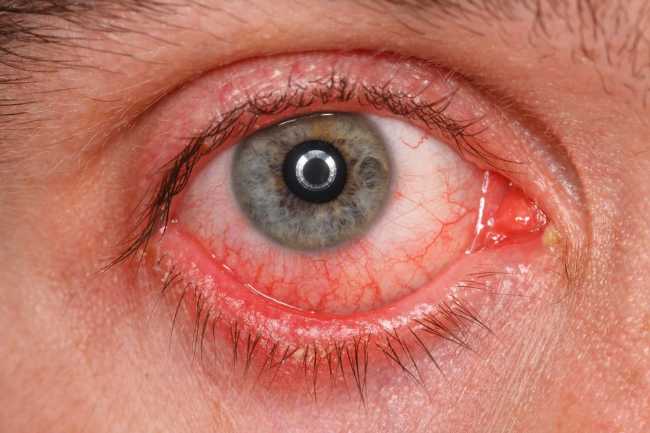
Conjunctivitis can have infectious or non-infectious causes.
Viral Conjunctivitis
Viral conjunctivitis commonly occurs alongside respiratory infections. In addition, it can cause:
- Redness
- Watery discharge
- Burning or irritation
- A gritty feeling
- Swollen eyelids
The infection may begin in one eye and spread to the other. Basically, viral conjunctivitis usually improves without specific antiviral treatment.
Bacterial Conjunctivitis
Bacterial conjunctivitis can cause redness and thicker eye discharge. The discharge may appear yellow or greenish and can make the eyelids stick together, particularly after sleep.
Some mild cases improve without antibiotics. When treatment is appropriate, an eye-care professional can prescribe antibiotic eye drops or ointment based on the clinical situation.
Allergic Conjunctivitis
Allergic conjunctivitis is not an infection and is not contagious. It develops when the eyes react to allergens such as pollen, dust or other environmental triggers.
It commonly affects both eyes and causes:
- Intense itching
- Watery eyes
- Redness
- Eyelid swelling
Sneezing, a runny nose and other allergy symptoms may occur at the same time.
Stye and Chalazion
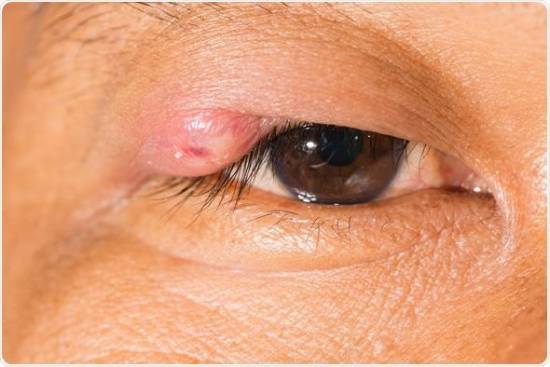
A stye, medically known as a hordeolum, is a painful, localized lump near the edge of the eyelid. It usually involves an infected or inflamed eyelid gland and may involve bacteria such as Staphylococcus.
A chalazion develops when an oil-producing meibomian gland becomes blocked. The blockage causes inflammation and a localized lump. Unlike a stye, a chalazion is generally not an active infection and is often less painful.
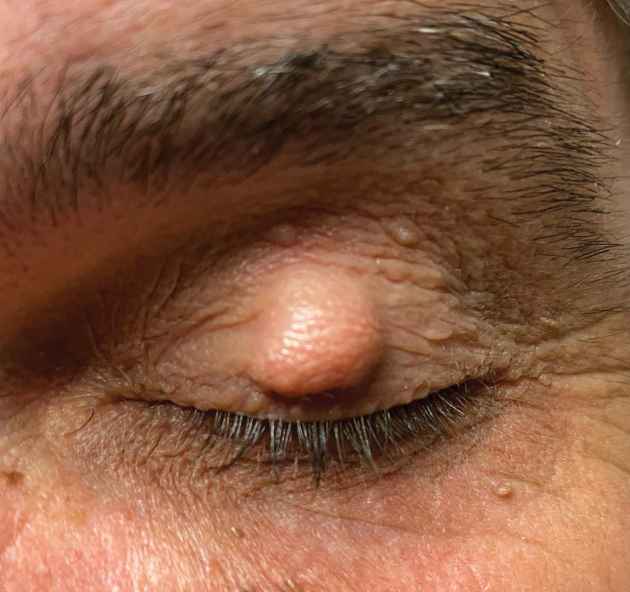
Warm compresses can help many styes and chalazia. If a lump persists, becomes unusually large or repeatedly returns, an eye specialist can examine it and determine whether further treatment is necessary.
Blepharitis
Blepharitis is inflammation of the eyelid margins, particularly around the base of the eyelashes. Bacterial overgrowth, meibomian gland dysfunction and certain skin conditions can contribute to it.
Therefore, common symptoms include:
- Red or swollen eyelid margins
- Crusting around the eyelashes
- Burning or irritation
- A gritty sensation
- Excessive watering
- Symptoms that are worse in the morning
Blepharitis does not always result from an infection, so treatment depends on the underlying cause.
Keratitis
Keratitis refers to inflammation of the cornea, the clear front surface of the eye. Infectious keratitis occurs when microorganisms infect the cornea and can threaten vision if treatment is delayed.
Bacteria, viruses, fungi and, less commonly, parasites can cause infectious keratitis.
Contact lens wearers have a higher risk of bacterial keratitis, particularly when they wear lenses overnight or follow poor lens hygiene.
Symptoms of keratitis:
- Eye pain
- Redness
- Sensitivity to light
- Blurred or reduced vision
- Excessive tearing
- Discharge
- A feeling that something is stuck in the eye
If these symptoms occur, contact an eye-care professional without delay, especially when pain or vision changes are significant.
Other Serious Eye Infections
Less common infections can affect deeper structures inside or around the eye. Examples include endophthalmitis and infections of the tissues surrounding the eye.
These conditions can become serious and require urgent medical assessment, particularly when severe pain, reduced vision, fever or significant swelling around the eye occurs.
What Causes Eye Infection?
Different eye infections have different causes. However, common infectious causes include:
- Viruses
- Bacteria
- Fungi
- Parasites
Additionally, poor hand hygiene, touching or rubbing the eyes with contaminated hands, sharing personal items and improper contact-lens use can increase the risk of infection.
Certain medical conditions and treatments that weaken the immune system can also increase the risk of serious eye infections.
How Eye Infection Spreads
Some eye infections, particularly viral and bacterial conjunctivitis, can spread easily from person to person.
Common routes of transmission include:
- Touching an infected eye and then touching another person’s hands or objects
- Sharing towels or pillowcases
- Sharing eye makeup
- Touching the eyes with unwashed hands
- Contact with respiratory secretions from an infected person
- Poor contact-lens hygiene
People with conjunctivitis may frequently touch or rub their eyes. Infectious material can then transfer to their hands, surfaces and other people.
Particularly, frequent handwashing and avoiding shared personal items can reduce the risk of transmission.
Symptoms of an Eye Infection
Different eye conditions can cause similar symptoms, so symptoms alone may not always identify the exact cause.
Common symptoms include:
- Redness of the eye
- Swelling of the eyelids
- Watery or thick discharge
- Itching
- Burning or irritation
- A gritty sensation
- Crusting of the eyelashes, especially after sleep
- Excessive tearing
- A sensation that something is stuck in the eye
Moreover, certain symptoms deserve special attention.
Eye pain, sensitivity to light, blurred or reduced vision, severe redness or a visible spot on the cornea can indicate a more serious eye problem.
How to Diagnose Eye Infection?
A healthcare professional usually diagnoses an eye infection by examining the eye and asking about your symptoms, medical history, contact-lens use and recent exposure to people with eye infections.
Moreover, an eye examination may include assessment of:
- Visual acuity
- The conjunctiva and eyelids
- The cornea
- The pupils
- Eye movements
An eye specialist may use a slit lamp when a corneal or deeper eye problem is suspected.
Health care provider also suggest laboratory tests which are as follows
| Test / Examination | When it may be used | What it helps assess |
|---|---|---|
| Eye examination | Most suspected eye infections | Redness, swelling, discharge and other eye changes |
| Slit-lamp examination | Suspected keratitis, corneal ulcer or severe inflammation | Detailed examination of the cornea, conjunctiva and other eye structures |
| Conjunctival swab & culture | Severe, recurrent or treatment-resistant conjunctivitis | Identifies bacteria and helps guide antibiotic treatment |
| PCR / NAAT | Selected viral or other infectious causes | Detects specific infectious organisms |
| Corneal scraping | Suspected keratitis or corneal ulcer | Helps identify bacterial, fungal or other organisms |
| KOH / fungal testing | Suspected fungal keratitis | Helps detect fungal infection |
| Acanthamoeba testing | Contact-lens users with severe or persistent keratitis | Detects Acanthamoeba infection |
| CBC | Suspected significant or systemic infection | May show changes such as an increased WBC count |
| CRP | Suspected significant inflammation or systemic infection | Measures inflammation; it does not specifically confirm an eye infection |
| ESR | Selected cases with suspected systemic inflammation | Nonspecific marker of inflammation; it does not confirm an eye infection |
| Blood tests | When an underlying systemic disease is suspected | Helps investigate conditions associated with eye inflammation or infection |
In some cases, a healthcare professional may collect a sample of eye discharge or tissue for laboratory testing. Doctors are more likely to order these tests when an infection appears severe, unusual, recurrent or fails to improve with initial treatment.
Treatment of Eye Infection
However, treatment depends on the underlying cause. Not every red eye requires antibiotics.
Viral Conjunctivitis
Most uncomplicated viral conjunctivitis improves on its own. Additionally, antibiotics do not treat viral infections.
Supportive care may include:
- Cool compresses
- Artificial tears
- Gentle cleaning of discharge
- Avoiding eye rubbing
Because viral conjunctivitis can spread, good hand hygiene and avoiding shared personal items can help prevent transmission.
Bacterial Conjunctivitis
Some mild bacterial cases may resolve without antibiotics. When antibiotics are appropriate, an eye-care professional may prescribe antibiotic eye drops or ointment.
The choice of treatment depends on factors such as the patient’s age, severity of symptoms and suspected cause.
Allergic Conjunctivitis
Treatment focuses on avoiding the trigger when possible. Cool compresses and lubricating eye drops can help relieve symptoms. Antihistamine or other anti-allergy eye drops can also provide relief.
Because allergic conjunctivitis is not infectious, antibiotics do not treat it.
Stye
Many styes improve with warm compresses applied several times a day. However, avoid squeezing or puncturing the lump yourself.
If a stye persists or becomes complicated, an eye specialist can determine whether additional treatment is necessary.
Chalazion
Warm compresses and gentle eyelid care can help some chalazia. If a chalazion persists, becomes large or repeatedly returns, an eye specialist can evaluate it and discuss further treatment.
Keratitis
Infectious keratitis requires urgent eye-care assessment. Treatment depends on the cause and may include antibiotic, antiviral or antifungal medication.
Because the cornea plays an essential role in clear vision, suspected infectious keratitis requires more than home care alone.
What You Can Do at Home
Moreover, for mild eye irritation or uncomplicated conjunctivitis, some measures can provide relief:
- Wash your hands regularly.
- Avoid rubbing your eyes.
- Gently clean discharge from the eyelids.
- Use a clean cool compress for irritation.
- Use artificial tears when appropriate.
- Stop wearing contact lenses until the eye has recovered and an eye-care professional says it is safe to resume them.
- Avoid sharing towels, pillowcases or eye makeup.
Do not use leftover antibiotic or steroid eye drops without medical advice. Steroid-containing eye drops can worsen or mask certain eye infections, particularly some viral or fungal infections.
When to See a Doctor
Many cases of uncomplicated conjunctivitis are mild, but certain symptoms require medical attention.
Contact a healthcare professional urgently if you experience:
- Moderate or severe eye pain
- Sensitivity to light
- Blurred or reduced vision
- Severe or worsening redness
- Significant swelling around the eye
- A white or cloudy spot on the cornea
- Symptoms that continue to worsen despite home care
- Symptoms that persist or repeatedly return
- An eye injury or chemical exposure
- Fever with significant swelling around the eye
Contact Lens Wearers Need Extra Caution
They have a higher risk of certain serious corneal infections.
However, if you develop eye redness, pain, discharge, light sensitivity or blurred vision while using contact lenses, remove the lenses and arrange an urgent eye examination. Do not continue wearing the lenses until an eye-care professional confirms that they are safe.
How to Prevent Eye Infection
You can reduce the risk of many eye infections by following good hygiene practices.
- Wash your hands frequently, especially before touching your eyes.
- Avoid rubbing your eyes with unwashed hands.
- Do not share towels, pillowcases or eye makeup.
- Replace eye makeup according to recommended timeframes and avoid contaminated products.
- Follow proper contact-lens cleaning and replacement instructions.
- Do not sleep in contact lenses unless your eye-care professional has specifically approved overnight use.
- Avoid using another person’s eye drops.
- Clean and care for contact-lens cases properly.
- Do not allow the tip of an eye-drop bottle to touch your eye or eyelashes.
If you have contagious conjunctivitis, take reasonable precautions to avoid spreading it to other people, particularly through hand-to-eye contact and shared personal items.
Frequently Asked Questions
No, some eye infections, such as viral and bacterial conjunctivitis, can spread easily, but other eye conditions are not contagious. Allergic conjunctivitis, for example, is not an infection and cannot spread from person to person.
The duration depends on the cause. Many uncomplicated cases of conjunctivitis improve within one to two weeks, but some conditions can last longer. Serious infections involving the cornea may require urgent and prolonged treatment.
Some mild cases can improve with supportive care, but you should not rely on home treatment when you have significant pain, sensitivity to light or vision changes. These symptoms can indicate a more serious condition.
Eye mucus can occur with conjunctivitis, blepharitis, allergies and other conditions. Thick discharge, persistent symptoms, significant pain or changes in vision warrant an examination by a healthcare professional.
Most uncomplicated conjunctivitis does not cause permanent vision loss. However, serious conditions such as infectious keratitis or infections involving deeper structures of the eye can threaten vision when treatment is delayed.
About Author
Dr. Hafsa Hadi is a medical writer, clinical content researcher and consultant in gastroenterology. She focuses on translating complex clinical research, diagnostic data and therapeutic guidelines into clear, evidence-based educational resources for both healthcare professionals and the public.
Medical Disclaimer
This article is for general educational purposes and does not replace personal medical advice. If you have persistent, severe or vision-threatening symptoms, consult an eye-care professional.
References
- Centers for Disease Control and Prevention (CDC). Conjunctivitis (Pink Eye): Symptoms, Causes, Treatment and Prevention.
- Centers for Disease Control and Prevention (CDC). Clinical Overview of Pink Eye (Conjunctivitis) for Healthcare Providers.
- National Eye Institute (NEI), National Institutes of Health. Corneal Conditions.
- National Eye Institute (NEI), National Institutes of Health. Conjunctivitis.
- World Health Organization (WHO). Blindness and Vision Impairment.