


Stomach hurt after eating is one of the most common digestive complaints people search for. For most people it happens occasionally and passes on its own. For others it becomes a regular pattern that affects daily life. Understanding what is actually happening inside the digestive system helps make sense of the discomfort and points toward what might help. It also covers when the pain points to something that needs proper medical evaluation rather than home management.
Common causes Stomach Hurts After Eating
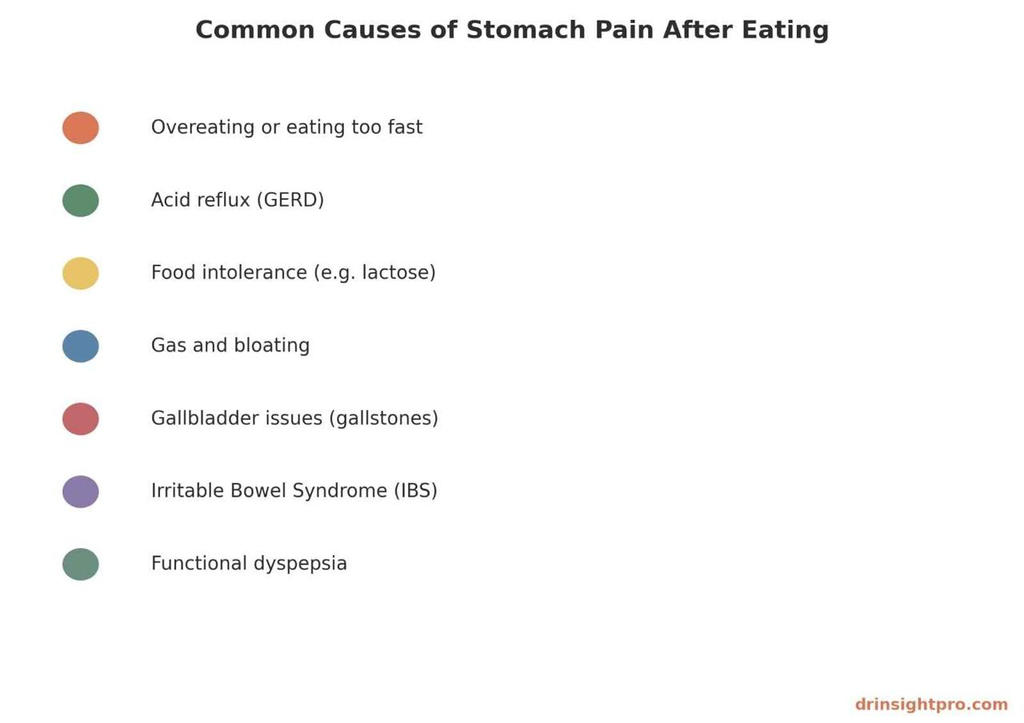
Several everyday habits and underlying conditions can cause pain after a meal. Some are harmless and easy to adjust. Others need a closer look from a doctor.
Overeating Stomach Hurts After Eating
Eating a large amount of food stretches the stomach beyond its comfortable capacity. This stretching can trigger pain, pressure and a bloated feeling shortly after finishing a meal. The stomach normally expands to accommodate food, but a very large meal can push past what feels comfortable.
Acid Reflux or GERD Stomach Hurts After Eating
Acid reflux happens when stomach acid moves backward into the esophagus. This can cause a burning pain in the upper abdomen or chest, often within an hour of eating. When reflux becomes frequent, doctors diagnose it as gastroesophageal reflux disease commonly called GERD.
Gallbladder Issues Stomach Hurts After Eating
The gallbladder releases bile to help digest fatty foods. If gallstones are present, eating a fatty meal can cause a gallbladder attack causing intense pain in the upper right abdomen that may spread to the back or shoulder. This type of pain usually needs medical evaluation
Eating Too Fast Stomach Hurts After Eating
Eating quickly means swallowing more air along with food. This extra air can build up as gas and cause cramping or a sharp, uncomfortable feeling in the upper abdomen. Eating slowly gives the stomach and brain time to communicate properly about fullness.
Food Intolerance Stomach Hurts After Eating
Some people lack the enzymes needed to properly break down certain foods. Lactose intolerance is a common example, where dairy products trigger cramping, bloating and pain because the body cannot fully digest the sugar in milk. Other intolerances can involve specific carbohydrates or food additive.
Irritable Bowel Syndrome Stomach Hurts After Eating
Irritable bowel syndrome, often shortened to IBS, is a condition where the gut becomes unusually sensitive to normal digestive activity. People with IBS often notice pain, bloating and changes in bowel habits that worsen after eating, particularly with certain trigger foods.
Gas and Bloating
Certain foods produce more gas during digestion than others. Beans, cruciferous vegetables and carbonated drinks are common examples. Trapped gas can cause sharp, cramping pain that sometimes moves around the abdomen as it works its way through the digestive tract.
What Recent Research About Stomach Hurts After Eating
A growing body of research has focused specifically on pain that occurs stomach hurt after eating without any visible cause on standard tests. This pattern doctors often classify as a condition called functional dyspepsia, a disorder where the stomach and upper digestive tract are structurally normal but do not function quite as they should.
Research published in 2025 describes functional dyspepsia as affecting a significant portion of the global population, with studies estimating a range between roughly 5 and 40 percent depending on the region studied.
Within this condition, doctors now recognize a specific pattern called postprandial distress syndrome, where fullness, bloating and discomfort appear specifically after meals rather than at random times throughout the day.
Newer research has also identified a related pattern called postprandial epigastric pain syndrome. This describes people who experience upper abdominal pain tied closely to meals, even though earlier medical definitions assumed this type of pain was usually unrelated to eating. Researchers are still working out exactly why this happens, but current theories point to how the stomach stretches to accommodate food, how quickly it empties after a meal and how sensitive the nerves in the digestive tract are to normal stretching and pressure.
How to Relieve Abdominal Pain After Eating
A few practical strategies can reduce discomfort for many people, regardless of the exact underlying cause.
- Eat smaller portions rather than large meals
- Slow down and chew food thoroughly
- Sit upright during and after eating rather than lying down
- Limit fatty, fried or heavily spiced foods if they seem to trigger pain
- Stay hydrated, since dehydration can worsen digestive discomfort
- Take a short, gentle walk after eating rather than remaining sedentary
How Doctors Diagnose Stomach Hurts After Eating
When stomach hurt after eating becomes frequent or severe, a doctor typically starts with a detailed history. This includes when the pain begins relative to meals.
Blood tests can check for infection, inflammation or anemia that might point toward bleeding in the digestive tract. An upper endoscopy allows a doctor to look directly at the stomach lining and esophagus, which helps rule out ulcers, inflammation or structural problems.
In many cases, especially with functional dyspepsia, these tests come back normal, which itself is diagnostically useful since it helps rule out more serious structural disease.
For gallbladder related pain, an abdominal ultrasound is often used to check for gallstones. Breath tests can help identify certain food intolerances, including lactose intolerance. The specific combination of tests depends on the pattern of symptoms and what the doctor suspects based on the initial history and examination.

Treatment of Stomach Hurt After Eating
Treatment for stomach hurt after eating depends heavily on what is actually causing it. A general approach that ignores the underlying cause often provides only temporary relief.
- For acid reflux and GERD, treatment usually starts with dietary changes and avoiding trigger foods, followed by acid reducing medications such as proton pump inhibitors if symptoms persist. Elevating the head during sleep and avoiding meals close to bedtime often helps as well.
- For functional dyspepsia, treatment may include medications that help the stomach empty more effectively, called prokinetics, along with acid suppressing medications. Some research also supports low dose antidepressants for pain related symptoms, since these medications can reduce visceral sensitivity even at doses too low to treat depression itself.
- For food intolerances, the main treatment is identifying and limiting the specific trigger food. In the case of lactose intolerance, this might mean reducing dairy intake or using lactase enzyme supplements before eating dairy products.
- For gallbladder related pain, treatment depends on severity. Mild cases may be managed by reducing fatty food intake, while recurrent gallbladder attacks often require surgical removal of the gallbladder.
- For IBS, treatment typically combines dietary changes, such as a low FODMAP approach under professional guidance, with stress management and sometimes targeted medications depending on the dominant symptom pattern.

Frequently Asked Questions
Can stress cause stomach pain after eating?
Yes, The digestive system and nervous system are closely linked through what researchers call the gut brain axis. Stress can alter digestion, increase sensitivity to normal stomach stretching and worsen existing conditions like functional dyspepsia or IBS.
How long is too long to have stomach pain after eating before seeing a doctor?
There is no single fixed number that applies to everyone. As a general guide, pain lasting more than a couple of weeks, worsening over time or interfering with daily eating and activities is a reasonable point to seek medical evaluation.
Does lying down after eating make stomach pain worse?
For many people yes, particularly if acid reflux is involved. Lying flat makes it easier for stomach acid to move backward into the esophagus. Staying upright for at least an hour or two after eating is generally recommended.
Can certain medications cause stomach pain after eating?
Yes, Nonsteroidal anti-inflammatory drugs, certain antibiotics and some other medications can irritate the stomach lining, particularly when taken without food. If pain began after starting a new medication, it is worth mentioning to a doctor.
Is it normal to have stomach pain after every meal?
It is not considered typical for healthy digestion. Pain after nearly every meal usually points to an underlying pattern such as reflux, food intolerance or functional dyspepsia, and is worth discussing with a doctor rather than treating as normal.
Can drinking water help with stomach pain after eating?
Staying hydrated supports healthy digestion overall, though drinking large amounts of water immediately with a meal can sometimes worsen fullness for people prone to bloating. Small sips throughout the meal tend to be better tolerated than large amounts all at once.
Medical Disclaimer
The information provided on this site is for general educational and informational purposes only and does not constitute professional medical advice, diagnosis, or treatment. Always consult a qualified healthcare provider for any questions regarding a medical condition. Never ignore or delay seeking professional medical attention based on content read here. In case of a medical emergency, contact your doctor or local emergency services immediately.
About the Author
Dr. Sufiyan Awan is a medical doctor dedicated to simplifying complex healthcare topics through evidence-based insights. Drawing from standard clinical practices and guidelines from global entities like the World Health Organization (WHO), he creates accurate and practical content for public awareness. Through drinsightpro.com, Dr. Sufiyan aims to bridge the gap between medical knowledge and everyday health choices. He is committed to empowering readers with trustworthy, well-researched medical information to support informed healthcare decisions.