


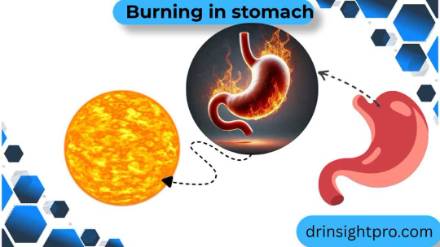
A burning sensation in the stomach is usually caused by acid reflux, gastritis, indigestion or occasionally a stomach ulcer. Most cases are mild and improve with dietary changes. See a doctor if the burning is severe or does not go away or if you have blood in your vomit, black stools or unexplained weight loss.
If you have ever felt a gnawing or burning pain between your ribs and belly button you know how uncomfortable and distracting it can be. In my practice “burning stomach” is one of the most common complaints I hear. However, it can have many different causes. The cause often depends on when the burning occurs what triggers it and how long it has been present.
What Causes Burning in the Stomach?
A handful of conditions account for most cases:
- Acid reflux (GERD): Stomach acid backs up into the esophagus, the tube connecting your throat to your stomach. This is the classic cause of heartburn, but it can also feel like burning lower in the stomach itself.
- Gastritis: Inflammation of the stomach lining often caused by H. pylori infection, heavy alcohol use or long-term use of pain relievers like ibuprofen.
- Functional dyspepsia (indigestion): A very common condition where the stomach doesn’t empty or digest food normally with no clear structural cause found on testing.
- Peptic ulcers: Open sores in the stomach lining or the upper part of the small intestine, usually caused by H. pylori bacteria or regular NSAID use.
- Food intolerances: Sensitivities to dairy, gluten or highly acidic and spicy foods can trigger burning that mimics reflux.
- Medications: Aspirin, ibuprofen and certain antibiotics can irritate the stomach lining directly.
Risk Factors of Burning in Stomach
Certain things make stomach burning more likely:
- Regular use of NSAID pain relievers
- Smoking and heavy alcohol use
- Chronic stress
- Eating large, fatty or spicy meals especially late at night
- A personal or family history of ulcers or H. pylori infection
- Being pregnant (reflux is common due to hormonal and physical changes)
What the Timing of Your Burning Stomach Tells You
| Timing pattern | Most likely explanation |
|---|---|
| Burns shortly after eating, especially rich or spicy food | Acid reflux or food-triggered indigestion |
| Burns on an empty stomach or wakes you at night | Peptic ulcer or excess stomach acid |
| Improves temporarily after eating, then returns | Ulcer-related pain (classic pattern) |
| Comes with bloating and early fullness, not tied to specific foods | Functional dyspepsia |
| Started after beginning a new medication | Medication-induced gastritis |
This information is not a substitute for a medical diagnosis. However, it can be a helpful starting point for describing your symptoms clearly to your doctor.
Other Symptoms Along With Burning in Stomach
Burning rarely shows up alone. In addition, depending on the cause you might also notice:
- Bloating or a feeling of fullness after small meals
- Nausea or occasional vomiting
- A sour taste in the mouth or regurgitation
- Belching or gas
- Loss of appetite
Heartburn vs. Burning in the Stomach
Although heartburn and stomach burning can feel similar, they are not exactly the same. The main difference is where you feel the burning and what other symptoms occur with it.
| Feature | Heartburn | Burning in the Stomach |
|---|---|---|
| Location | Usually behind the breastbone or in the chest | Usually in the upper abdomen or between the ribs and belly button |
| Common cause | Acid reflux or GERD | Indigestion, gastritis, peptic ulcer or other digestive problems |
| When it occurs | Often after meals or when lying down | May occur after eating, when the stomach is empty or at different times |
| Other symptoms | Sour taste, acid coming up into the throat or regurgitation | Bloating, nausea, early fullness, belching or upper abdominal discomfort |
| What may worsen it | Large meals, lying down soon after eating and certain trigger foods | Certain foods, medicines such as NSAIDs or an underlying stomach condition |
An Important Difference
Heartburn is usually felt in the chest behind the breastbone, while burning in the stomach is generally felt lower down in the upper abdomen. However, symptoms can overlap. Therefore, the location of the burning alone cannot determine the exact cause.
When Is Stomach Burning a Medical Emergency?
Most burning stomach pain is not dangerous. However, certain signs mean you should seek urgent or emergency care right away rather than waiting to see if it improves:
- Vomiting blood or material that looks like coffee grounds
- Black, tarry or bloody stools
- Severe, sudden abdominal pain
- Difficulty swallowing or pain when swallowing
- Unexplained weight loss
- Chest pain, shortness of breath or pain spreading to the jaw or arm (this can signal a heart problem, not a stomach one and needs emergency evaluation)
If you have any of these don’t wait go to an emergency department or call emergency services.
How Doctors Diagnose the Cause
If your symptoms are persistent or concerning, a doctor will typically start with a history and physical exam and then may recommend the following:
- Testing for H. pylori (breath, stool or blood test)
- Blood tests to check for anemia if bleeding is suspected
- An upper endoscopy to look directly at the stomach lining if red flag symptoms are present or symptoms don’t improve with initial treatment
Treatment for Burning in Stomach
Meanwhile, treatment depends on the underlying causes:
- Lifestyle and dietary changes = smaller meals, avoiding trigger foods, not lying down soon after eating, limiting alcohol and NSAIDs.
- Antacids provide fast, short-term relief by neutralizing stomach acid.
- H₂ blockers or proton pump inhibitors (PPIs) = reduce acid production for reflux, gastritis or ulcers usually under medical guidance for anything beyond occasional use.
- H. pylori treatment = a combination of antibiotics and acid-reducing medication if this infection is confirmed.
- Stress management: since stress can worsen functional dyspepsia and reflux for many people.
Guideline-based treatment recommendations can vary somewhat between countries and professional bodies. So, a local doctor’s guidance should take priority over general information here.
Prevention from Burning in Stomach
- Eat smaller, more frequent meals rather than large ones
- Limit alcohol, caffeine and highly spicy or fatty foods if they’re triggers for you
- Avoid lying down for 2–3 hours after eating
- Use NSAIDs only as directed and not on an empty stomach
- Don’t smoke
- Manage stress with regular activity, sleep or relaxation techniques
Frequently Asked Questions
Not always. Heartburn specifically refers to a burning sensation behind the breastbone caused by acid reflux. Stomach burning can happen lower in the abdomen and has more possible causes, including gastritis, ulcers, and indigestion.
Yes. Stress and anxiety can increase stomach acid production and worsen conditions like functional dyspepsia and reflux, even without a structural problem being present.
Water can sometimes ease mild burning by diluting stomach acid, but it isn’t a reliable treatment for reflux, gastritis, or ulcers which need targeted management.
Common causes include spicy food, citrus, tomato-based dishes, fried or fatty food, caffeine, chocolate and alcohol though causes vary from person to person.
References
- Mayo Clinic
- Gastritis – Diagnosis and Treatment – https://www.mayoclinic.org/diseases-conditions/gastritis/diagnosis-treatment/drc-20355813
- Cleveland Clinic
- Peptic Ulcer Disease: Causes, Symptoms & Management – https://my.clevelandclinic.org/health/diseases/10350-peptic-ulcer-disease
- NHS (National Health Service UK)
- Indigestion and Acid Reflux Overview – https://www.nhs.uk/conditions/indigestion/
About the Author
Dr. InsightPro provides clear and easy-to-understand health information to help readers better understand common digestive problems. The content focuses on patient education and practical information about gastrointestinal health. This information is intended for educational purposes and should not replace a professional medical evaluation or personalized medical advice.
Medical Disclaimer
The information provided in this article is intended for educational and informational purposes only. It is not a substitute for professional medical advice, diagnosis or treatment. Always consult a qualified healthcare professional regarding any medical condition or health concern. Do not ignore or delay seeking medical advice because of information you have read on this website. Never start, stop or change any medication without consulting your healthcare provider.
DrInsightPro.com does not guarantee that all information is complete, current or applicable to every individual. If you experience severe or worsening symptoms, seek prompt medical attention.